
Please note. This guide shares general information only. It is not legal, financial, tax or professional advice. Laws vary by state and city. For advice about your situation, talk with a licensed professional.
Hi friend. Thank you for having such a big heart. A blessing bag is a small bag of everyday things you keep in your car or tote to hand to someone who's having a hard time. It's a simple way to say: I see you, and you matter.
This guide walks you through what to pack for California weather, from hot inland days to chilly coastal nights, what to skip, how to give kindly and safely, and how to support the local groups that serve neighbors every day.
A few things to know
- You choose. Use what feels right for you and skip anything that doesn't.
- Each group decides what it can accept. We share what each place says it offers and how to reach it. Ask before you drop anything off.
- Hours and details change. Call ahead when you can.
- In danger right now? Call 911. Thinking about suicide or in crisis? Call or text 988.
Think small, useful and easy to carry. A gallon zip bag or a small drawstring bag works great.
A California blessing bag

Pack for the season
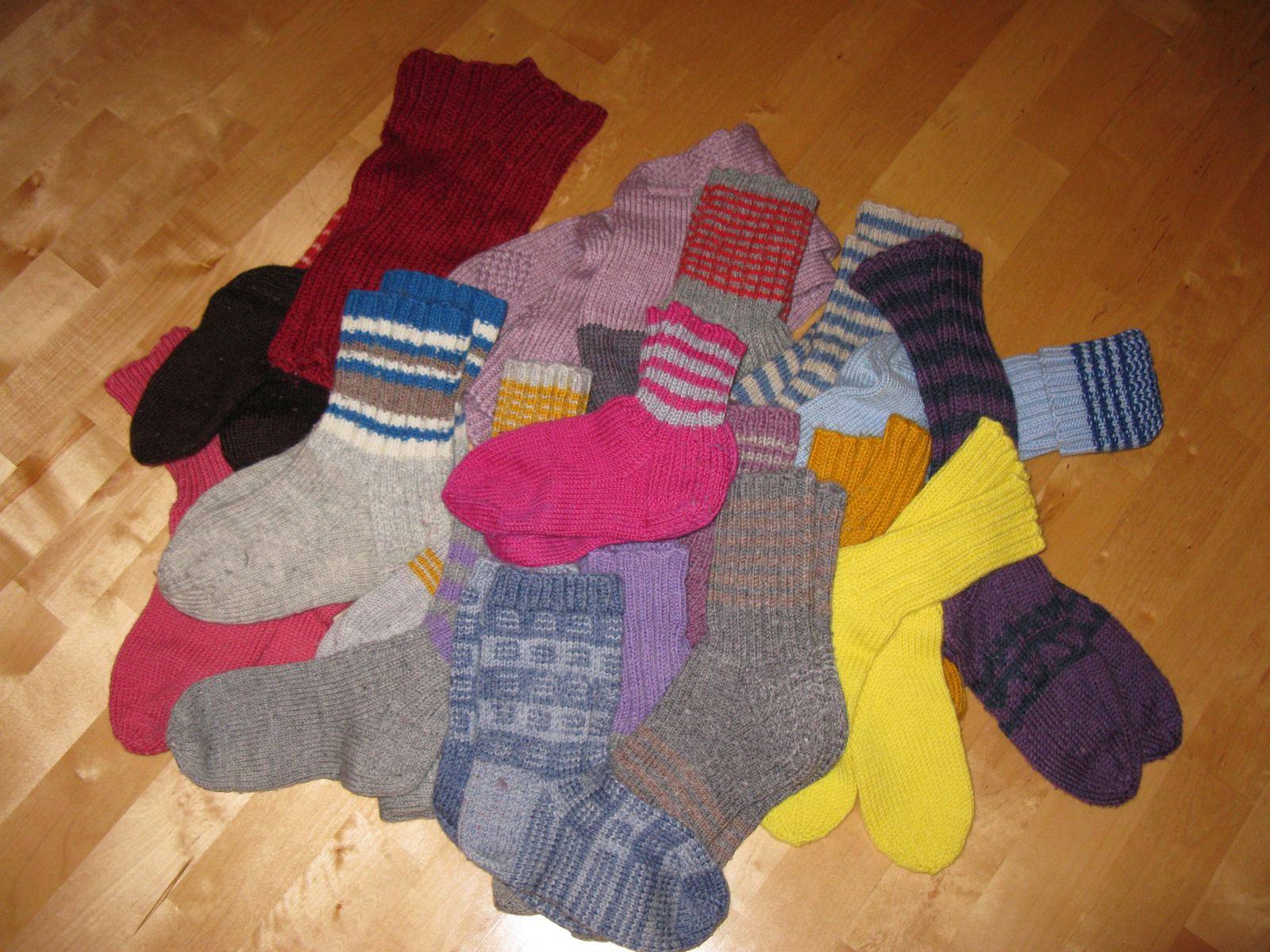
In much of California, days can be hot while nights get cold, especially near the coast and in the mountains. Pack water and sunscreen in summer, and add socks, a beanie and an emergency blanket in winter. Easy peasy!
What should I leave out?
- Things that melt or spoil, like chocolate or anything that needs a fridge. Cars get very hot in the sun, especially in inland valleys and deserts.
- Hard or crunchy foods that are tough to chew. Softer snacks are kinder for sore teeth.
- Glass bottles and sharp things.
- Alcohol and mouthwash with alcohol.
- Cash, unless you feel good about it. A gift card for a nearby grocery or fast food spot can be a nice option.
How do I help someone who seems too hot or too cold?
Heat in California's inland valleys and deserts can be dangerous. The National Weather Service says signs of heat exhaustion include heavy sweating, weakness, cool, pale, clammy skin, dizziness, nausea and headache.
It says to move the person to a cooler place, loosen clothing, use cool wet cloths, and offer sips of water.
Heat stroke is an emergency. The National Weather Service says signs include confusion, a body temperature above 103 degrees, hot, red skin and fainting, and to call 911 right away.
Cold nights matter too. The National Weather Service says hypothermia happens when the body loses heat faster than it can make it. If someone seems very cold, confused or can't get warm, call 911. Dial 211 to ask about warming centers.
Source (As of October 22, 2026): https://www.weather.gov/safety/heat-illness and https://www.weather.gov/safety/cold
How to make bags with friends, step by step
- Pick a day and invite friends, family, a class or your faith group.
- Ask a local shelter or day center what they need most right now.
- Make a shopping list and split it up.
- Set up an assembly line, with one item per person.
- Add a handwritten note to each bag.
- Keep a few in your car, and give the rest to a local group that accepts them.
A kind word and a cold bottle of water can turn someone's whole day around. Thank you for being that person, friend.
From the Bunklow team
How do I give kindly and safely?
- Make eye contact, smile and say hello. A kind word can mean as much as the bag.
- Offer, don't push. It's OK if someone says no thank you.
- Stay safe. Hand a bag from the sidewalk or a parked spot, never from a moving car or in traffic.
- Respect privacy. Please don't take photos of people without asking.
- Share what you know. If someone asks for help, point them to 211 or this guide.
Kind things to say
"Hi, I'm [your name]. Would you like a bag with some water and snacks?"
"Is there anything you need most today?"
"Here's a card with some numbers that can help. 211 works any time."
"Take care, and have a good day."

Ask a group first
Before you shop for a group drive, call the shelter or day center. Each one decides what it can take, and they'll tell you what's needed most. You'll make it count!
How else can I help?
- Give to food banks. California food banks feed neighbors through local pantries and partners. The list later in this guide has food banks in big counties.
- Volunteer. Shelters, pantries and day centers often need helpers for meals, sorting and events.
- Share this guide. Our Find Help Near You guides list places to call in each topic. Share them with anyone who could use them.
Say your class wants to make 20 bags
Say your class or club wants to make 20 bags. You could call a local shelter to ask what they need, make a shopping list, and split it up. Then assemble the bags together and drop them off at the shelter at a time they choose.
This is an example to show how it can work. It is not about a real group, and every group is different.
How do I run a food drive the right way?
Food banks have safety rules, so check before you collect. Here is what two big California food banks say.
- San Diego Food Bank says it always needs nonperishable foods, like canned tuna, canned chicken, canned fruit, peanut butter, beans and cereal.
- For safety reasons, it says it can't accept homemade goods, glass jars or alcohol of any kind.
- It also accepts household cleaners, pet food, baby diapers and hygiene products. Keep non food items separate from food.
Source (As of October 22, 2026): https://www.sandiegofoodbank.org/food-drives/faqs/
Food drive checklist
What is a virtual food drive, and how do I start one?
A virtual food drive collects money online instead of cans. Food banks buy food in bulk, so your gift can go further.
Here's how the San Francisco and Marin Food Bank explains it:
- You sign up and make a team page. Friends, family and coworkers give online through your link, and a meter shows how much your drive has raised.
- The food bank says it can provide two healthy meals for every $1 given.
- It no longer delivers or picks up food barrels. You can still hold a can drive and bring boxes and bags to the warehouse, Monday to Friday, 8:00 am to 4:00 pm at 900 Pennsylvania Avenue, San Francisco.
- Its most needed foods are tuna and canned meat, peanut butter, soup and chili, beans, cereal, canned fruit and vegetables, and rice, pasta and oats.
- It asks for no glass, nothing past its date, nothing opened, and no pet food. Pet food can go to a local animal shelter instead.
Source (As of October 22, 2026): https://funddrives.sfmfoodbank.org/general/faq
How to run a drive at school or work
- Pick a food bank near you and read its food drive page.
- Choose a can drive, a virtual drive, or both.
- Set a goal and an end date, and share the most needed list.
- Check every can for dates and dents before you box it.
- Drop off on the day and time the food bank gives you.
Where can I drop off food or bags?
Every group works a little differently, so call first.
- In Orange County, Second Harvest Food Bank says it no longer takes individual food donations directly. It asks people to bring them to a partner pantry or food drive site near them, or to try a virtual food drive.
- Many food banks also run virtual food drives, where your money buys food in bulk.
- Shelters and day centers may take blessing bags or new socks. Ask what they need most right now.
Source (As of October 22, 2026): https://feedoc.org/get-involved/
What to ask before you drop off
"Hi. My group made some blessing bags and collected food. Can you use them?"
"What do you need most right now?"
"What day and time is best to drop off?"
"Is there anything you can't take?"
Can I donate food in glass jars?
San Diego Food Bank says it can't accept glass jars, homemade goods or alcohol, for safety reasons.
Can I donate diapers or pet food?
San Diego Food Bank says it accepts household cleaners, pet food, baby diapers and hygiene products, kept separate from food.
What's the most important thing in a California blessing bag?
Water. Inland heat can be dangerous, so a bottle or two of water is a great start. In winter, add socks and something warm.
Is it OK to give food?
Yes, if it's sealed and doesn't melt or spoil. Softer snacks are easier for people with sore teeth.
Where can I drop off extra bags?
Call a local shelter, day center or food bank first. Each group decides what it can accept.
What if someone says no thank you?
That's OK. Smile, wish them a good day, and move on kindly.
What should I do if someone looks sick from the heat?
The National Weather Service says heat stroke is an emergency. Call 911 right away.
What do shelters really need?
Every shelter is different, so always ask first. But wish lists show what helps most.
Here's what Union Rescue Mission in downtown Los Angeles lists, as of October 18, 2026:
- Hygiene items like body soap, deodorant, lotion, shampoo and conditioner, toothbrushes, toothpaste and combs.
- New undergarments and socks for men, women and children, and baby clothes.
- Twin and full size blankets and sheets, bath and hand towels, diapers, laundry bags and detergent.
- Gently used clothing and shoes in all sizes, including extra large and tall sizes. Coats, hats and gloves are needed in winter.
Union Rescue Mission asks that used clothes be clean, ready to wear, sorted and boxed, and labeled men, women or children, and new or used. Baby items like cribs, strollers and highchairs should be new. To donate, call 213.673.4875 first and they'll tell you what's needed.
Source (As of October 22, 2026): https://urm.org/gifts-in-kind/
Before you donate items
Can I save money on what I put in bags?
Yes, a little. Some kids' diapers and period products are not taxed in California.
Questions about which items count? Check the CDTFA page below.
Other items, like adult diapers, wipes, soap and socks, can still be taxed, so check your receipt.
Source (As of October 22, 2026): https://cdtfa.ca.gov/lawguides/vol1/sutl/6363-9.html and https://cdtfa.ca.gov/lawguides/vol1/sutl/6363-10.html
A kit for teen girls and moms
Pads, tampons and baby diapers are some of the most asked for items, and they're exempt from California sales tax. A small kit with pads, wipes and new underwear can mean a lot. Ask a shelter or diaper bank which sizes they need.
Can kids and teens help, too?
Yes, and it's a great way to learn kindness together. Each food bank sets its own age rules, so check first.
- San Diego Food Bank says the youngest volunteers are 11. Ages 11 to 15 come with a registered adult chaperone, 18 or older. Ages 16 and up can sign up on their own. Everyone wears closed toe shoes.
- Los Angeles Regional Food Bank says standard volunteer activities are for ages 14 and up. There are no walk ins, so everyone registers online first.
- Younger kids can help at home by sorting socks, checking dates on snacks, and drawing cards with 211 and 988 on them.
- Stay together. An adult should hand out bags, and everyone stays out of traffic and in the shade.
Source (As of October 22, 2026): https://sandiegofoodbank.org/volunteer/ and https://www.lafoodbank.org/volunteer/
What to ask when you sign up a family or class
"What's the youngest age you allow, and does an adult need to come?"
"How many kids can one adult bring?"
"Is the shift indoors, and what should we wear?"
How can I help after a wildfire?
After a fire, many people want to help right away. Cal OES, the state's emergency services office, says unsolicited donations of things like food or clothing can actually overwhelm relief groups, so check what is needed before giving.
- Cash helps most. Cal OES says one need in every disaster is cash, given to a local community foundation or a trusted relief group.
- Have items but not cash? Cal OES suggests a yard sale, bake sale or car wash, and giving the money to the communities that were hit.
- Before you collect or drive in supplies, call the group first, or dial 211, and ask what they need and where to take it.
- Stay safe. Don't drive into closed or evacuated areas, and follow what local officials say.
Source (As of October 22, 2026): https://www.news.caloes.ca.gov/wildfire-disaster-relief-services-in-california-how-to-help-those-impacted-by-2021-fires/
Needs change fast
After a disaster, what groups need can change day by day. Check their needs list again right before you shop, so nothing goes to waste.
Give to local groups that ask for items
Here are some places to start.
Los Angeles Regional Food Bank
What it offers Food help across Los Angeles County. Use its Find Food page for a pantry near you.
How to reach Call 323.234.3030.
Source https://www.lafoodbank.org/
Last checked October 16, 2026
San Diego Food Bank
What it offers Food help across San Diego County. Main office at 9850 Distribution Avenue, San Diego.
How to reach Call 858.527.1419 or 866.350.3663.
Source https://sandiegofoodbank.org/
Last checked October 16, 2026
Second Harvest Food Bank of Orange County
What it offers Food help across Orange County. Use its Find Food page for a pantry near you. 8014 Marine Way, Irvine.
How to reach Call 949.653.2900.
Source https://www.feedoc.org/
Last checked October 16, 2026
Feeding America Riverside | San Bernardino
What it offers Food help across Riverside and San Bernardino counties. Use its website to find food near you.
How to reach Call 951.359.4757.
Source https://feedingamericaie.org/
Last checked October 16, 2026
Second Harvest of Silicon Valley
What it offers Food help in Santa Clara and San Mateo counties, plus CalFresh help.
How to reach Food Connection line: 800.984.3663.
Source https://www.shfb.org/
Last checked October 16, 2026
Alameda County Community Food Bank
What it offers Food help across Alameda County.
How to reach Call 510.635.3663.
Source https://www.accfb.org/
Last checked October 16, 2026
Sacramento Food Bank and Family Services
What it offers Food help in Sacramento County. 1951 Bell Avenue, Sacramento.
How to reach Call 916.456.1980.
Source https://www.sacramentofoodbank.org/
Last checked October 16, 2026
Food Bank of Contra Costa and Solano
What it offers Food help in Contra Costa and Solano counties. 4010 Nelson Avenue, Concord.
How to reach Call 925.676.7543.
Source https://www.foodbankccs.org/
Last checked October 16, 2026
Central California Food Bank
What it offers Food help in the Central Valley. 4010 E. Amendola Drive, Fresno. Office hours Monday to Friday, 7:30 am to 4:00 pm.
How to reach Call 559.237.3663.
Source https://ccfoodbank.org/
Last checked October 16, 2026
Other local groups may also help.
- What to put in a bag
- A gallon zip bag or small drawstring bag works well.
- Add a bottle of water and easy snacks like granola bars, crackers or peanut butter packs (add a note if it has nuts).
- Care items: a toothbrush and toothpaste, wipes, lip balm, sunscreen, tissues, a comb and hand sanitizer.
- Warmth: clean new socks. In cooler months, add a hat, gloves or hand warmers.
- A small card with 211, 988 and the CalHOPE Warm Line (833.317.4673).
- How to give kindly
- Make eye contact, smile and say hello. A kind word can mean as much as the bag.
- Offer, don't push. It's okay if someone says no thank you.
- Stay safe. Hand a bag from the sidewalk or a parking spot, never from a moving car or in traffic.
- Ask a local group first. Each one decides what it can take, so check its list before you shop.
Shelters that list what they need
Here are some places to start.
Union Rescue Mission (Los Angeles)
What it offers Shelter and help for men, women and children in downtown Los Angeles. It keeps a list of food, clothing, hygiene and household items it needs.
How to reach 545 S. San Pedro Street, Los Angeles. Main line 213.347.6300. Item donations: 213.673.4875.
Source https://urm.org/gifts-in-kind/
Last checked October 18, 2026
Father Joe's Villages (San Diego)
What it offers Help for neighbors experiencing homelessness in San Diego. Its thrift stores and bins take clean, gently used clothing, shoes, bedding and small household items, and it offers no cost donation pick up.
How to reach No cost pick up: 619.446.2100. Information: 800.466.3537.
Source https://my.neighbor.org/take-action/donate-goods/
Last checked October 18, 2026
Mercy House (Orange County)
What it offers Shelter and housing help in Orange County and other regions. It posts Amazon wishlists so you can send supplies straight to each region.
How to reach PO Box 1905, Santa Ana. Call 714.836.7188.
Source https://mercyhouse.net/our-wishlists/
Last checked October 18, 2026
Loaves and Fishes (Sacramento)
What it offers Services for people experiencing homelessness in Sacramento. Its year round needs list includes sleeping bags, blankets, jackets, shoes, backpacks, first aid supplies, hand warmers and diapers in all sizes.
How to reach Drop off at 1351 North C Street, Sacramento, Monday to Friday, 7:00 am to 2:45 pm. Call 916.446.0874.
Source https://www.sacloaves.org/needs-list
Last checked October 18, 2026
Poverello House (Fresno)
What it offers Daily meals and services in Fresno. It always needs towels, blankets, toilet paper, toothbrushes, toothpaste, deodorant, razors, shampoo, and new underwear and socks.
How to reach Drop off at 412 F Street, Fresno. Monday to Friday, 8:00 am to 5:00 pm, and Saturday and Sunday, 8:00 am to 1:00 pm. Call 559.498.6988.
Source https://poverellohouse.org/get-involved/ways-to-give/donate-food-clothes-and-household-items
Last checked October 18, 2026
Other local groups may also help.
Food banks in other parts of California
Here are some places to start.
San Francisco and Marin Food Bank
What it offers Food help in San Francisco and Marin, with warehouse and community volunteer shifts and ways to start a food drive. Its CalFresh team can help you apply at 415.824.3663.
How to reach 900 Pennsylvania Avenue, San Francisco, and 2550 Kerner Boulevard, San Rafael. Call 415.282.1900.
Source https://www.sfmfoodbank.org/
Last checked October 18, 2026
CAPK Food Bank (Kern County)
What it offers More than 200 food distribution points across Kern County, with ways to volunteer and host a food or fund drive.
How to reach The Wonderful Community Food Center, 520 S. Washington Street, Bakersfield. CAPK office: 661.336.5236.
Source https://www.capk.org/food-bank/
Last checked October 18, 2026
Other local groups may also help.
My blessing bag plan
Fill this in with a pen, or snap a photo and keep it on your phone. You've got this!
My plan
Key numbers to share

Thank you, friend
If something in this guide is out of date, tell us and we'll fix it. Thank you for caring about your neighbors. Make it a great day!

About this guide
Made by the Bunklow team. No sign up, no paywall, no cost. Please share it with anyone who could use it. Bunklow does not run these programs and cannot speak for them. We list what each place says it offers and how to reach it, and you decide what to use. This is not a full list of every place that can help. Sources were first checked on October 16, 2026. New sources were added, and every link was checked again on October 18, 2026. If something has changed, please tell us so we can fix it. We are always happy to hear from you!
Please note. This guide shares general information only. It is not legal, financial, tax or professional advice. Laws vary by state and city. For advice about your situation, talk with a licensed professional.
Affordable living. Simplified