
Please note. This guide shares general information only. It is not legal, financial, tax or professional advice. Laws vary by state and city. For advice about your situation, talk with a licensed professional.
Hi friend. If you need a safe place to sleep tonight, I am really glad you picked this up. You are not alone, and there are people across New York whose whole job is helping you find a bed.
Here is the easy first step: in New York City, call 311 or go to the intake center that fits your household. Anywhere else in New York, contact your county Department of Social Services, or dial 211 any time. We will walk through the rest together, one page at a time, and there is no wrong question.
A few things to know
- You choose. Use what feels right for you and skip anything that doesn't.
- Each place decides who it can serve. We share what each place says it offers and how to reach it. We can't promise a bed, money or a spot in any program.
- Hours and details change. Call ahead when you can.
- This guide is for everyone: single adults, families, couples, veterans, young people, seniors, people with disabilities, survivors, LGBTQ+ people and people just leaving jail or a hospital. If something here is meant for one group, we say so.
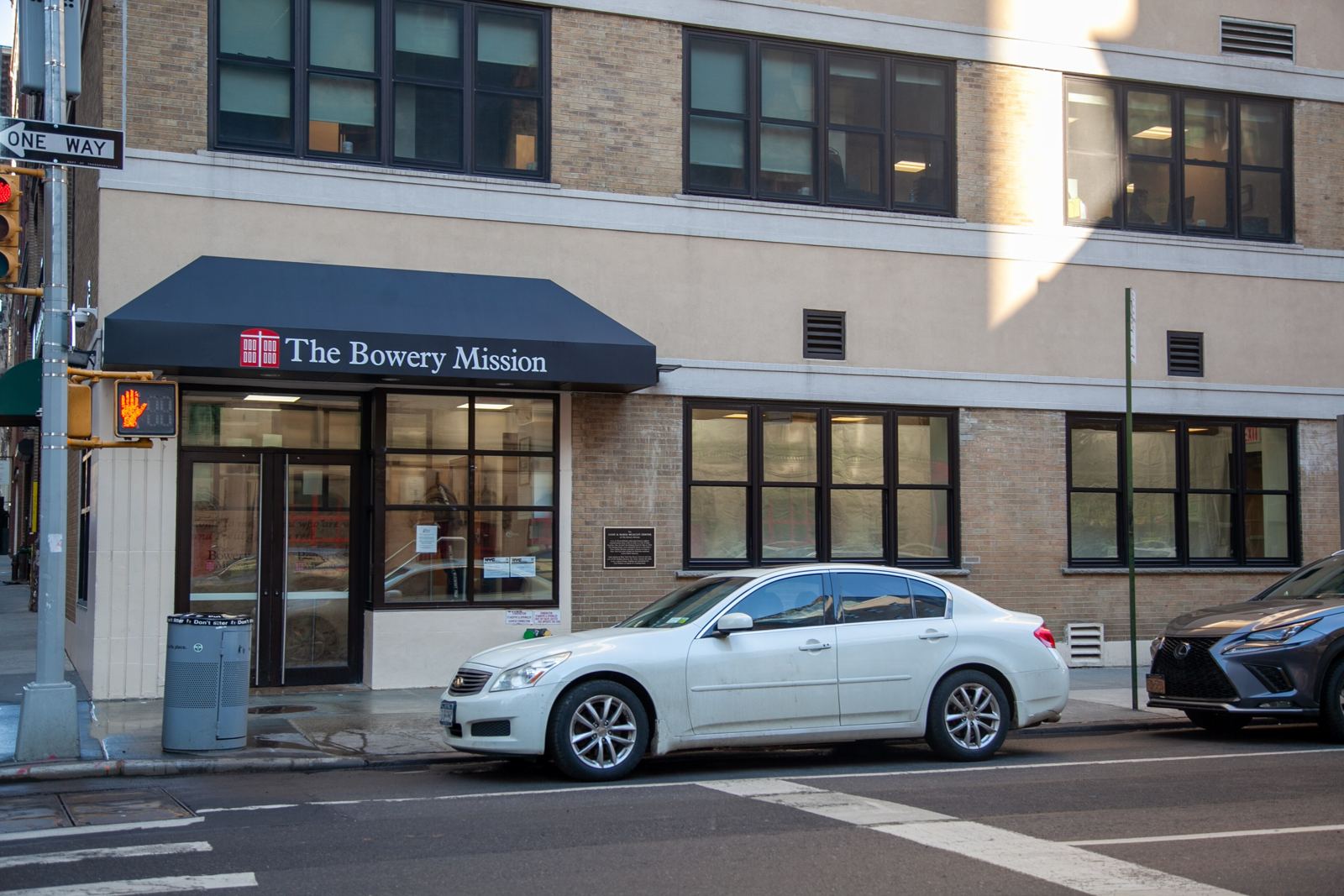
In New York, emergency shelter usually starts at a government front door, not by walking from shelter to shelter. In New York City, the Department of Homeless Services (DHS) runs intake centers, and you go to the one that matches who is with you.
In the rest of the state, your county Department of Social Services (DSS) is the front door. After hours, most counties have an emergency number, and you will find many of them in the county list in this guide.
New York City is different from most places in one big way. The city has a long history of offering shelter to people who need it, including single adults, children and families. Source (As of October 22, 2026): https://www.coalitionforthehomeless.org/our-programs/advocacy/legal-victories/the-callahan-legacy-callahan-v-carey-and-the-legal-right-to-shelter/
That doesn't mean it will feel easy, and there is still an application. But please know it's OK to ask, and you deserve to be treated with respect while you do.
Please don't give up on yourself. One phone call or one trip to the right door is a real step, and it counts.
From the Bunklow team
How to look for a bed tonight, step by step
- If you can, get to a safe, public place where you can use a phone.
- In New York City, find your intake center in the next section, or call 311. Anywhere else in New York, call your county DSS. After hours, use the county's emergency number, or dial 211.
- Say where you are, who is with you, and that you need a place to sleep tonight.
- Answer the questions as best you can. It's okay to say you don't know.
- Write down who you talked to, what they said, and when to call back.
- If no bed is open tonight, ask what to do next and when to call back.
- If you are in danger at any point, call 911.
What to say when you call
"Hi. I need a place to sleep tonight. I'm near [your town or cross streets]."
"It's just me." Or: "I have [number] kids with me, ages [ages]." Or: "My partner is with me."
"I have a dog with me." Or: "I use a wheelchair." Say whatever matters for you.
"Is there a family room, or a place for women and children?"
"If there isn't a bed, what should I do tonight, and when should I call back?"

Keep your numbers with you
Charge your phone any chance you get. Then take a screenshot of the numbers in this guide, so you have them even with no data. Easy peasy!
Where do I go in New York City?
New York City has one shelter system for the Bronx, Brooklyn, Manhattan, Queens and Staten Island. Before anyone can enter shelter, they apply at the intake center for their household type.
Here is where each household goes, from the city's own pages. The centers below are open 24 hours a day, including weekends and holidays.
- Families with children, pregnant women, and families with a pregnant woman. PATH, 151 East 151st Street, Bronx. Call 718.503.6400. PATH is open 24 hours, and processes applications from 9 a.m. to 5 p.m. Take the 2, 4 or 5 train to 149th Street and Grand Concourse.
- Single women 18 and older. Franklin Shelter, 1122 Franklin Avenue, Bronx, 929.281.2330, or HELP Women's Center, 114 Snediker Avenue, Brooklyn, 718.483.7700.
- Single men 18 and older. Single Adult Intake Center, 8 East 3rd Street, Manhattan.
- Adult families with no children under 21, like a couple. Adult Family Intake Center, 333 Bowery, Manhattan. Call 212.481.4704.
- If you have stayed in a city shelter in the last 12 months, DHS says single adults should return to the same shelter.
Sources (As of October 16, 2026): https://access.nyc.gov/programs/homeless-intake-shelters-and-drop-in-centers-dics/ and https://www.nyc.gov/site/dhs/shelter/families/families-with-children-applying.page and https://www.nyc.gov/site/dhs/shelter/singleadults/single-adults-applying.page and https://www.nyc.gov/site/dhs/shelter/families/adult-families-applying.page
Say you are a mom with three little girls in Queens
Say it's afternoon, and you and your three daughters can't go back where you were staying. You would go to PATH in the Bronx. DHS says your children ages 0 to 17 don't have to come with you while you apply, but PATH staff must be able to see them remotely, and you must bring them to the shelter by curfew the day after you get a placement.
DHS asks families to bring ID for every person in the household, like a photo ID and each child's birth certificate. Family workers on site can help you get papers you don't have. Interpreters are available if you don't speak English.
This is an example to show how a visit can go. It is not about a real person, and every situation is different. Source (As of October 22, 2026): https://www.nyc.gov/site/dhs/shelter/families/families-with-children-applying.page
What kinds of shelter are there?
Not every shelter is the same, and that's a good thing. Here is a quick rundown of the words you may hear, so nothing catches you off guard.
What's open near you depends on your county, so ask 211 or your DSS which ones exist where you are.
- Family shelter. For parents or caregivers with children, and in New York City, for pregnant women and families with a pregnant woman too. Family shelters are set up to keep you and your kids together.
- Women only and women and children programs. Some shelters serve only women, or only women and their children. In New York City, single women apply at Franklin Shelter or HELP Women's Center.
- Domestic violence shelter. A safe, private place for people escaping abuse, often at a confidential address. The New York State Domestic and Sexual Violence Hotline can help you find one: call 800.942.6906 or text 844.997.2121.
- Youth shelter. For young people on their own. See our Youth and Young Adults guide for youth programs.
- Drop in center. In New York City, drop in centers are open to everyone. ACCESS NYC lists hot meals and clothing, showers and laundry, counseling and case management, and help with jobs and benefits.
- Code Blue shelter or warming center. Extra beds and longer hours when it's dangerously cold. More on that below.
- Veterans programs. If you served, there may be beds set aside just for you. Call the VA line at 877.424.3838.
- Faith based shelter or rescue mission. Run by churches or faith groups. Many welcome anyone. Some ask you to join a program, so it's fair to ask what's expected.
How do I keep my kids safe in a shelter?
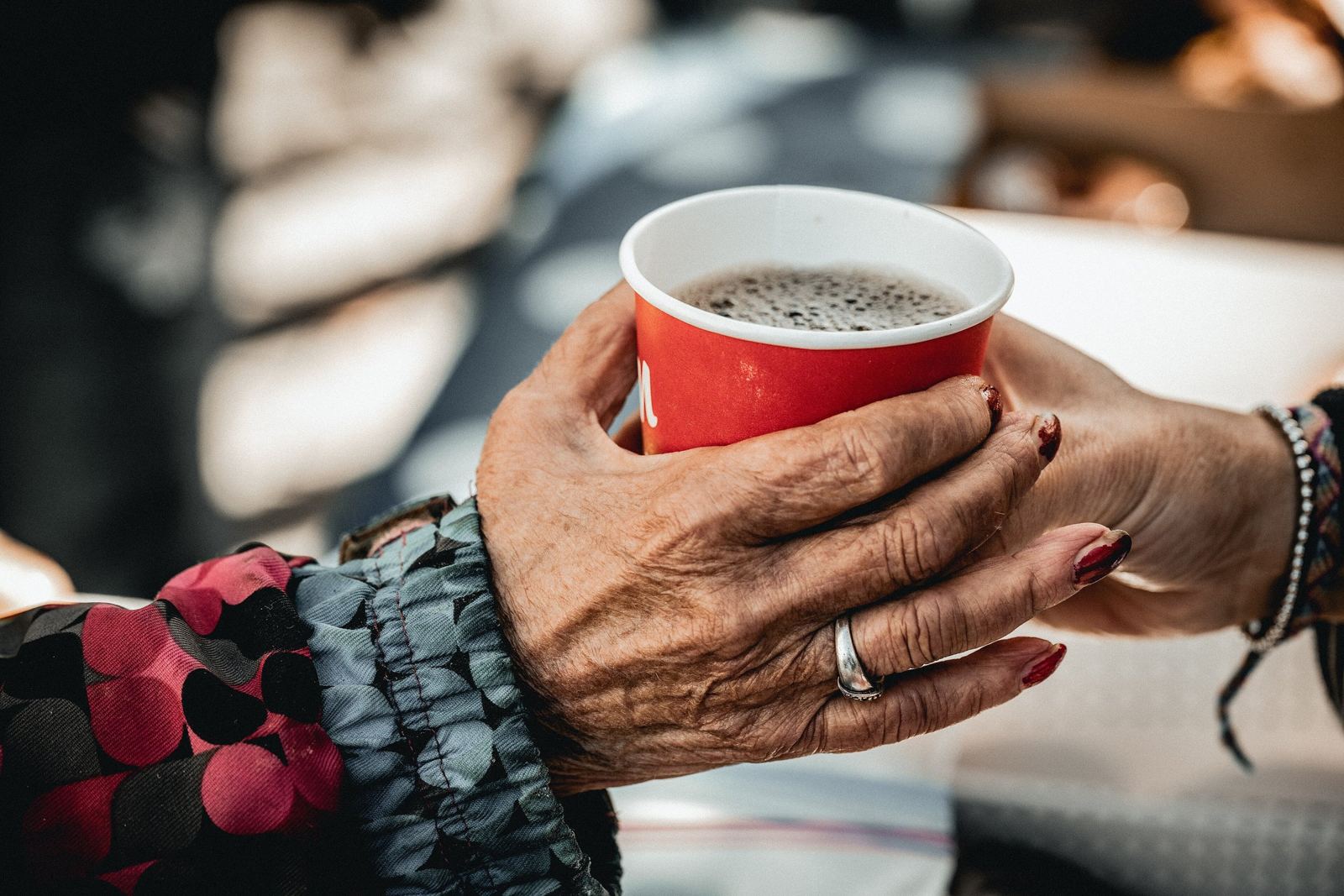
If you have children with you, keeping them safe is probably the first thing on your mind. That's exactly right.
You are allowed to ask questions before you say yes to a bed, and a good shelter will be glad you asked.
In New York, publicly funded shelters for families and adults are certified and inspected by the state Office of Temporary and Disability Assistance. The state has issued safety and security rules for shelters, including security plans. Sources (As of October 16, 2026): https://otda.ny.gov/programs/shelter/ and https://otda.ny.gov/programs/shelter/directives.asp
Safety questions to ask a shelter
Simple safety habits for kids in shelters and public places

Trust your gut
If a place or a person feels wrong, you can ask staff for a different room, or ask your caseworker about a transfer. Your family's safety always comes first.
What is a shelter usually like?
Walking in for the first time can feel scary. That's normal, and you're braver than you think.
Here is what many shelters have in common. Every place sets its own rules, so ask when you call.
- Intake. Staff will ask some questions, like your name, if you have ID, and what brought you there. Answer what you can. No ID? Say so and ask what they suggest. In New York City, ID is very helpful for single adults but not required.
- Rules. Most places have rules about quiet hours, alcohol and drugs, and respect for others. Ask for the rules up front so there are no surprises.
- Curfew and check in. Many shelters have a time you need to arrive by. Ask when you call.
- What you can bring. Space is often tight. Ask about bag limits, lockers, and things they don't allow, like weapons.
- Pets. Many shelters can't take pets, but some can, so it never hurts to ask. A trained service dog is different. See the example below.
- Couples. In New York City, adult couples apply together at the Adult Family Intake Center.
Say you have a service dog
Say you call a shelter and mention your dog. Under the ADA, a service animal is a dog trained to do work or tasks for a person with a disability.
When it isn't obvious, staff may ask only two questions: is the dog a service animal required because of a disability, and what work or task has the dog been trained to perform.
This is an example to show how a call can go. It is not about a real person, and every situation is different. Source (As of October 22, 2026): https://www.ada.gov/resources/service-animals-2010-requirements/
What if it is freezing, or the shelters are full?
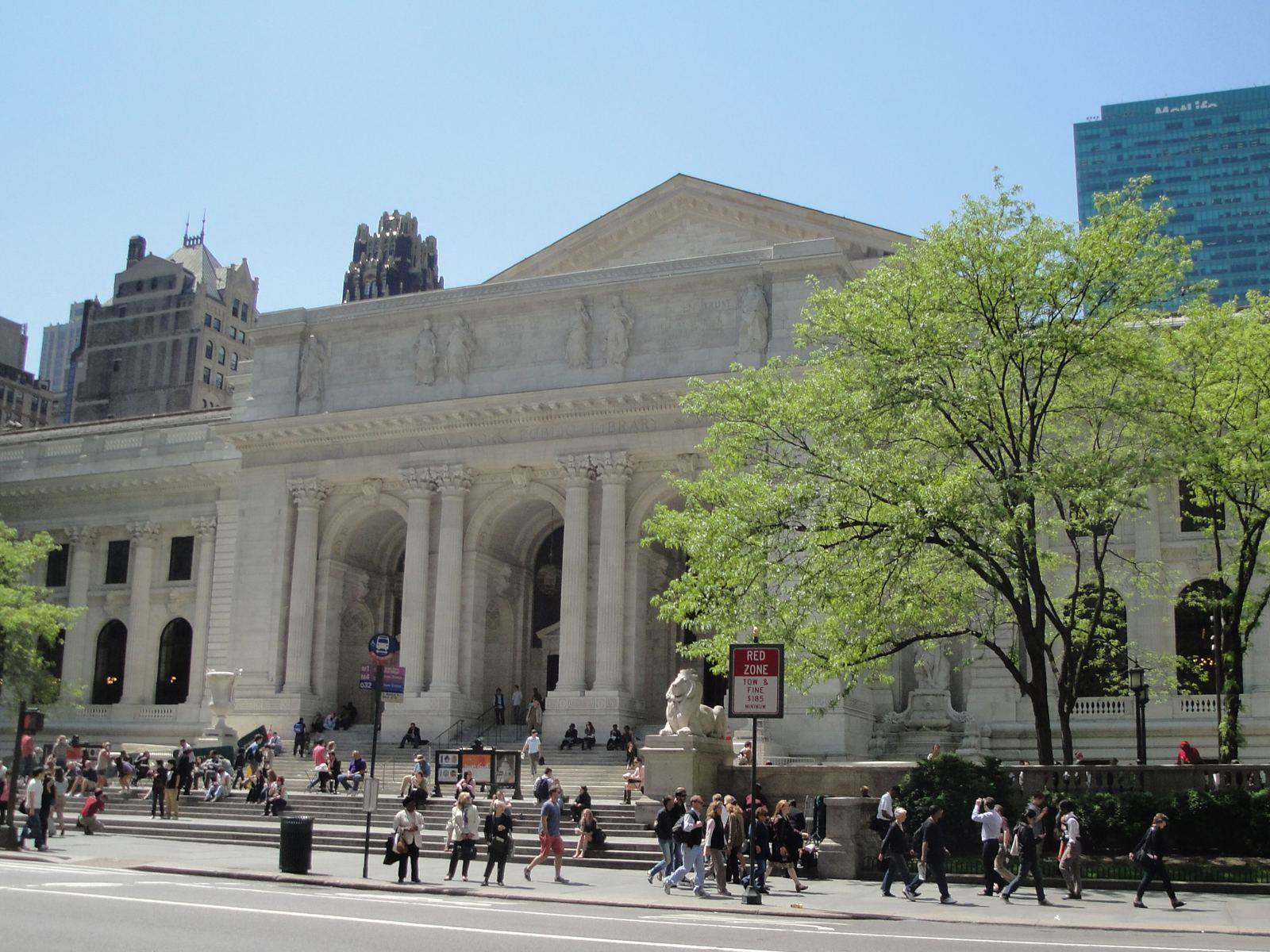
New York winters can be dangerous. As of October 16, 2026, New York rules say "inclement winter weather" means air temperatures at or below 32 degrees, counting wind chill.
When that happens, each county must take steps to find people outside, extend shelter hours so people can stay indoors, and keep those places safe, clean and supervised. People often call this Code Blue. Source (As of October 22, 2026): https://www.law.cornell.edu/regulations/new-york/18-NYCRR-304.1
In New York City, if you see someone outside who needs help, the city asks you to call 311 and request outreach. Outreach teams work in all five boroughs. Call 911 if someone is in immediate danger. Source (As of October 22, 2026): https://www.nyc.gov/site/dhs/outreach/street-outreach.page
What to do if there is no bed tonight
- Ask the person you talk to: "What do people do tonight when there's no bed?" They often know options that aren't written down anywhere.
- If it is freezing, ask: "Is Code Blue in effect tonight, and where should I go?"
- Ask if there is a waitlist, and get on it. Ask what time to call back tomorrow.
- Ask about drop in centers, day programs, meals and showers for tomorrow.
- If you are a Veteran, a young person, a family, or escaping abuse, say so. There may be separate help just for you.
- Call back when they told you to. Steady calls really do make a difference.
How can I stay safe tonight?
Your safety comes first, always. These are simple, common sense ideas, not rules.
Use what fits.
- If you are in danger right now, call 911.
- Stay in well lit, public places when you can, and around other people.
- Tell someone you trust where you are going to be tonight.
- Keep your phone charged. Libraries and drop in centers often have outlets.
- Trust your gut. If a place or a person feels wrong, leave.
- If you are hurting inside, call or text 988. It's at no cost and open 24/7.
If you need help from someone nearby
"Excuse me, I'm not safe right now. Can you call 911 for me?"
"I'm trying to find a shelter tonight. Can I use your phone to call 311?"
What if someone at home is hurting me?
If someone close to you is hurting you or scaring you, it is not your fault, and you don't have to figure this out alone. Advocates can help you make a safety plan and find a safe place to stay, for you and your kids.
- New York State Domestic and Sexual Violence Hotline: call 800.942.6906, text 844.997.2121, or chat at https://opdv.ny.gov/ It is at no cost, confidential, open 24/7 and available in most languages.
- In New York City, Safe Horizon's hotline is 800.621.4673 (HOPE), or call 311.
- In an emergency, call 911.
Source (As of October 22, 2026): https://health.ny.gov/prevention/sexual_violence/domestic_violence.htm
A quick safety note
If someone checks your phone or computer, use a device they can't see, like a friend's phone or a library computer. Many domestic violence websites have a quick exit button that takes you to a different page fast. Clear your history afterward if it's safe to do so.
How do I keep my things and papers safe?
Losing your ID or papers is the last thing you need right now. A little planning protects you, and it makes the next steps so much easier.
Protect your papers
A quick photo of every important paper takes two minutes and can save you weeks later. It protects you and the folks trying to help you!
From the Bunklow team
Can my kids stay in their school?
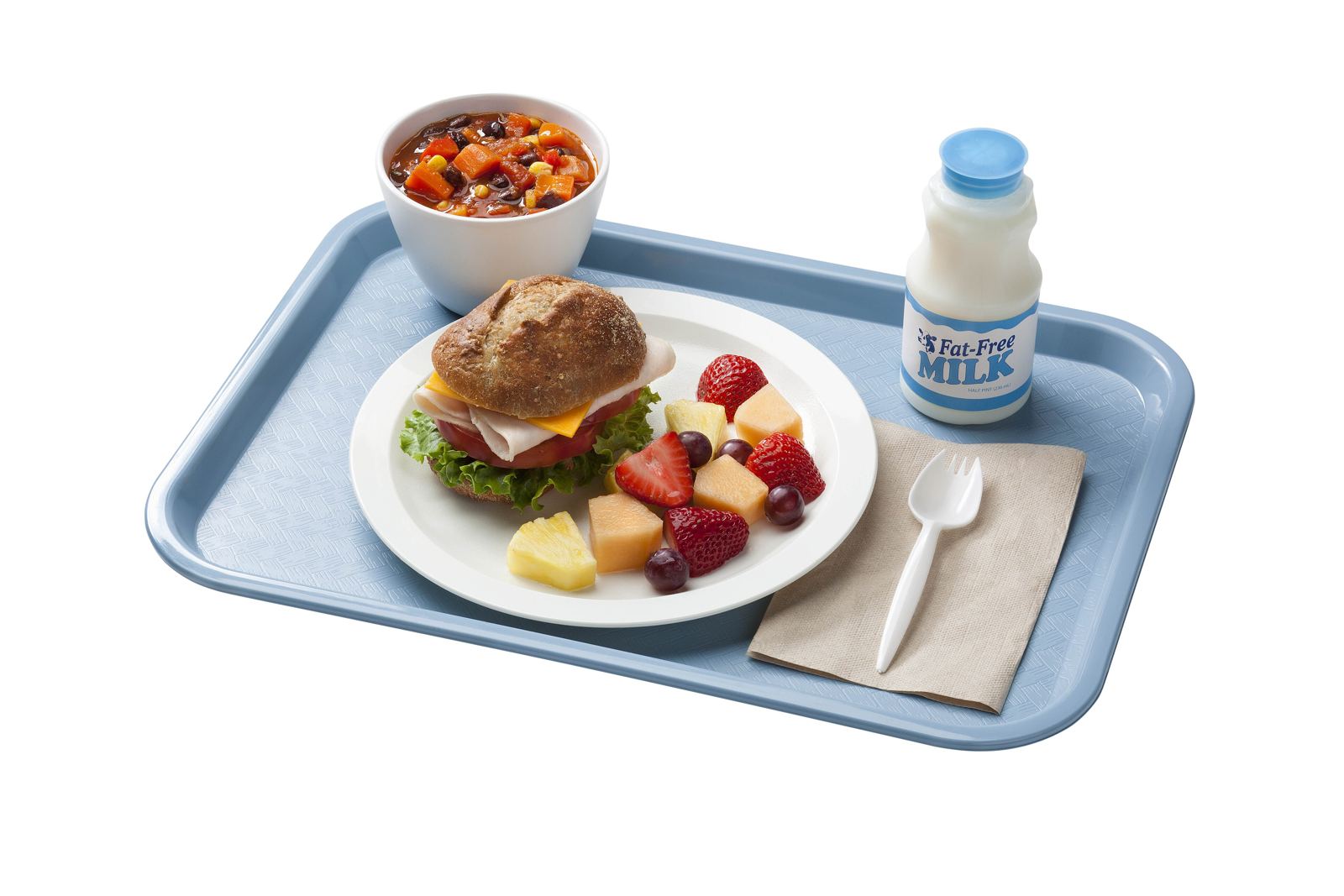
Yes, very often they can. New York has help for students in temporary housing, from preschool through 12th grade.
That includes kids staying in a shelter, a motel, or doubled up with others because they lost their home. Questions about the details? Check the official page below, and decide what's right for you.
- You can choose to keep your child in their school of origin, or enroll them in the local school where you are staying now.
- Your child must be enrolled right away, even without proof of address, shot records or school records.
- Your child can get transportation to their school of origin, and to after school activities there.
- If the school disagrees, your child must be enrolled in the school you asked for while the dispute is worked out.
Sources: https://www.nysed.gov/memo/essa/mckinney-vento-homeless-education-act and https://www.nysteachs.org/enrollment-and-school-selection
Questions? NYS TEACHS, the state's helpline for homeless students, is 800.388.2014. Every school district also has a homeless liaison you can ask for by name.
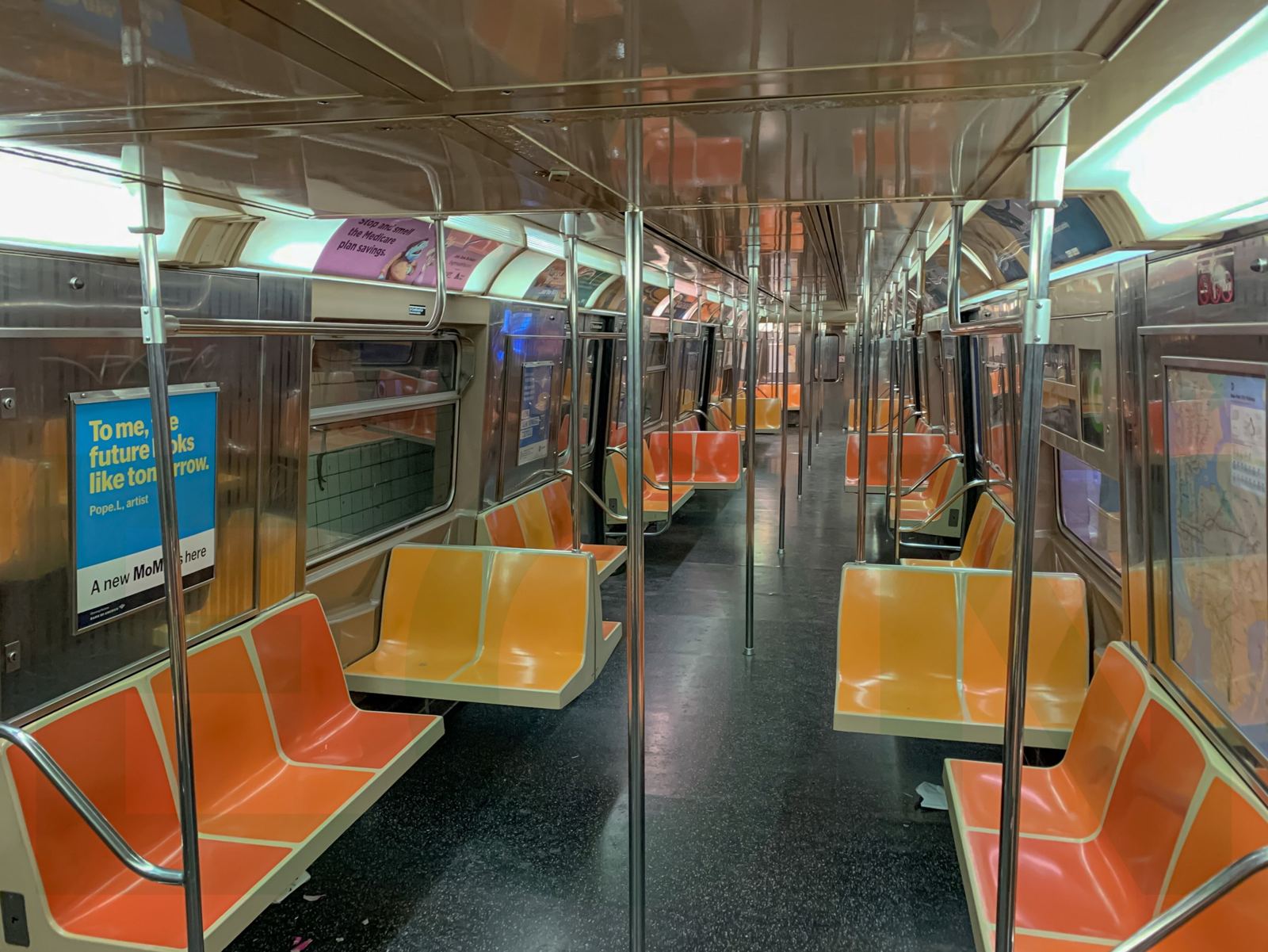
Getting to a bed can be its own puzzle. Here are some ideas.
- Ask 311, 211 or your DSS about rides. Some places can help with a MetroCard, a bus pass or a ride. Ask, because the answer is sometimes yes. New York City's 311 page says DHS does not provide transportation to shelter intake, so plan your route.
- In New York City, the subway and buses reach every intake center. The directions in section 2 come from DHS.
- Outside the city, most metro areas have city buses. Ask the driver or 211 which route gets you closest.
- If you are in danger and can't get away safely, call 911.
Source (As of October 22, 2026): https://portal.311.nyc.gov/article/?kanumber=KA-02501
What if I have medical needs?
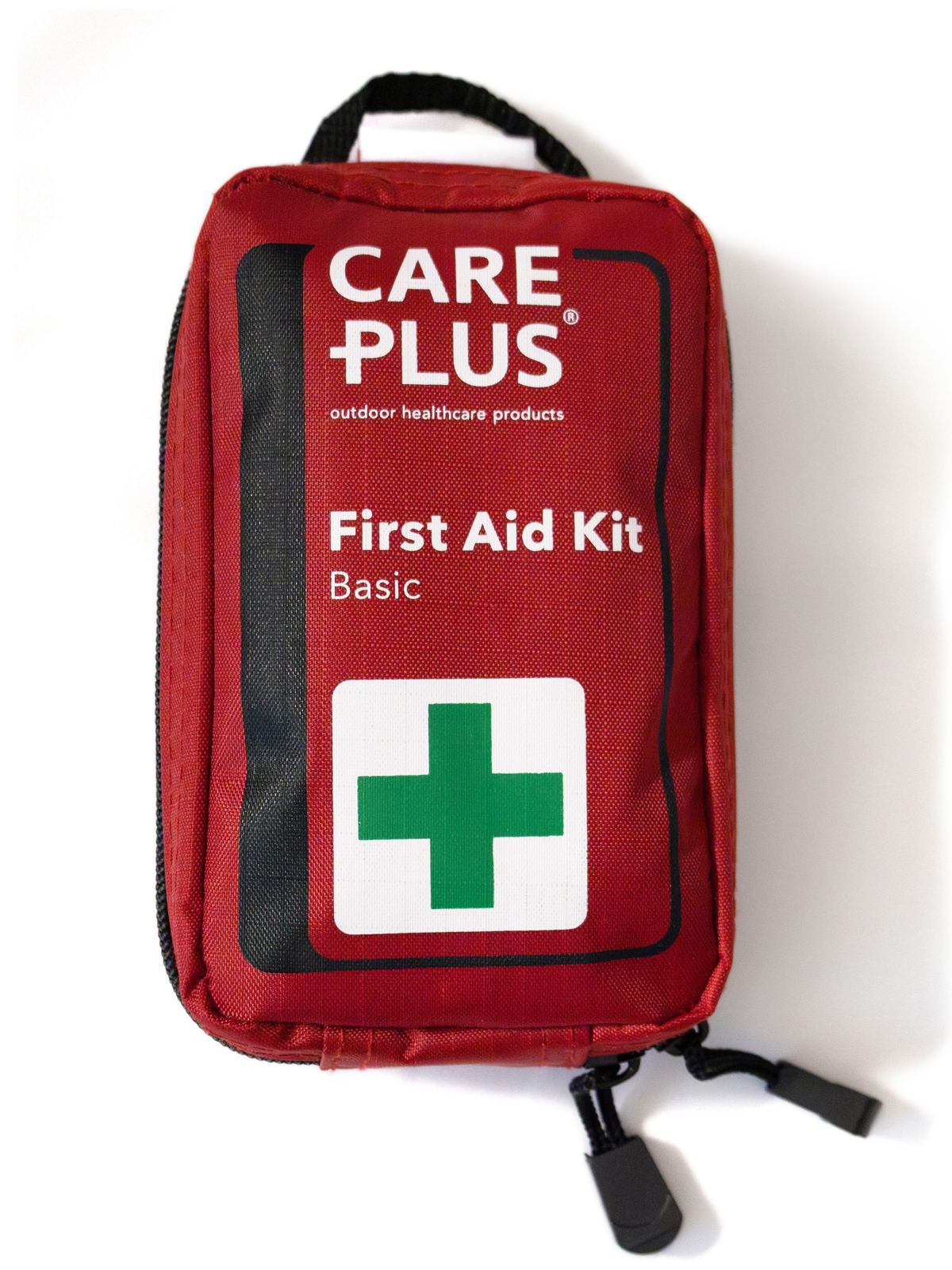
Please don't let a health need keep you from asking for a bed. Tell the shelter about it when you call, so they can tell you honestly if it's the right fit.
- Bring medicines in their original bottles, and ask how the shelter stores them.
- If you use oxygen, a wheelchair or other equipment, say so up front. HELP Women's Center in Brooklyn opened in 2026 and is fully ADA compliant, with single rooms for women with mobility or medical needs.
- If your child is sick, tell staff right away and ask where the nearest clinic or urgent care is. Our Health and Mental Health guide covers at no cost and low cost care for kids.
- For a medical emergency, call 911.
- For help with drugs or alcohol, the SAMHSA National Helpline is at no cost, private and open 24/7, in English and Spanish: 1.800.662.4357.
- For a mental health crisis, call or text 988.
Source for HELP Women's Center: https://www.nyc.gov/assets/dhs/downloads/pdf/press-releases/HELP-USA-Open-First-Shelter-Intake-Center-for-Women-Experiencing-Homelessness.pdf

Tonight is about a safe place to sleep. Tomorrow is about getting you back into a home of your own.
Here is how that usually starts.
- Prevention first. In New York City, intake caseworkers may talk with you about ways to avoid shelter altogether, like family mediation, anti eviction legal help, or a one shot deal through the Human Resources Administration. The city's HOMEBASE program helps people at risk of losing their home.
- Coordinated Entry. Outside New York City, many areas match people to housing programs through Coordinated Entry. You talk with a trained worker once, and they work to match you with programs that fit.
- Rapid Rehousing. HUD describes Rapid Rehousing as permanent housing with short term rental help (up to 3 months) or medium term rental help (4 to 24 months), plus support services. Each program has its own rules.
- Waitlists are real. Keep your phone on and return calls fast.
Sources: https://www.nyc.gov/site/dhs/shelter/families/adult-families-applying.page and https://www.hudexchange.info/homelessness-assistance/coc-esg-virtual-binders/coc-program-components/permanent-housing/rapid-re-housing/
Questions people ask a lot
Do I need an ID to get into a shelter?
Not always. In New York City, ID is very helpful for single adults but not required. Families are asked for ID for everyone, and staff can help you get missing papers.
Does it cost money?
Emergency shelter through DHS or your county DSS is at no cost. If a place asks for money, it's fair to ask why and what other options exist.
Do my kids have to come with me to PATH?
DHS says children 0 to 17 don't have to be there while you apply, but staff must be able to see them remotely, and you bring them by curfew the day after placement.
Can my kids keep going to their school?
Usually yes. Ask your school district's homeless liaison or NYS TEACHS at 800.388.2014 about staying in their school of origin, with transportation.
What if I work nights?
Tell them. Some places can work around a job schedule.
I got turned away. Now what?
Ask why, and ask who else to call. Then call 211 or 311 again. You are not done, my friend.
Write it down
Keep a short list of each place you call, the time, and what they said. It makes call backs faster and way less stressful.
Who can I call in my county?
Every county does it a little differently, so here are some places to start near you. If your county isn't listed, dial 211.
It covers the whole state.
Not sure which one to call? Start with the first one listed for your county. If it's not the right fit, they can usually point you to who is.
From the Bunklow team
Federal help (works in every state)
Here are some places to start.
HUD: help for people experiencing homelessness
What it offers HUD pays local groups to run homeless services. HUD does not give direct help itself. Its page says to dial 211 and press 6 for homeless services.
How to reach Dial 211, then press 6. No answer? Find your local 211 office: https://www.211.org/about-us/your-local-211
Source https://www.hud.gov/helping-americans
Last checked October 16, 2026
HUD Find Shelter tool
What it offers Type in where you are and search for shelter, food pantries, health clinics and clothing near you.
How to reach https://www.hud.gov/findshelter
Source https://www.hud.gov/findshelter
Last checked October 16, 2026
VA National Call Center for Homeless Veterans
What it offers No cost and private, for Veterans who are homeless or about to be. Open 24 hours a day, 7 days a week.
How to reach Call 877.424.3838.
Source https://department.va.gov/homeless/
Last checked October 16, 2026
Other local groups may also help.
New York State
Here are some places to start.
Emergency Assistance from your county social services office
What it offers In New York, your local Department of Social Services (DSS) is the front door for emergency help. The state says Emergency Assistance can help with homelessness, little or no food, an eviction notice, no heat in cold weather, or a utility shutoff. You do not need to qualify for ongoing cash help to get emergency help. In an emergency, you can be interviewed and get a written decision the same day you apply.
How to reach Go to or call your county DSS as soon as you can. In New York City, that is HRA and DHS (see the New York City cards). Questions: OTDA Hotline, 800.342.3009.
Source https://otda.ny.gov/programs/temporary-assistance/
Last checked October 16, 2026
211 New York
What it offers No cost and private, open 24 hours a day, 7 days a week, in many languages. 211 New York covers the whole state through 12 regional 211 centers. Help by phone, text, and online search.
How to reach Dial 211. Text your ZIP code to 898211. https://www.211newyork.org/
Source https://www.211newyork.org/
Last checked October 16, 2026
Other local groups may also help.
New York City (all five boroughs)
Here are some places to start.
New York City: shelter intake (all five boroughs)
What it offers New York City runs one shelter system for Brooklyn, Queens, Manhattan, the Bronx and Staten Island. Go to the intake center for your household type. The city says intake centers are open 24 hours a day, 7 days a week, including holidays.
How to reach Single men 18 and over: 8 East 3rd Street, New York, NY 10003. Single women 18 and over: Franklin Shelter, 1122 Franklin Avenue, Bronx, NY 10456, phone 929.281.2330. Or Help Women's Center, 114 Snediker Avenue, Brooklyn, NY 11207. Adult families: 333 Bowery, New York, NY 10003. Families with children, or if you are pregnant: PATH, 151 East 151st Street, Bronx, NY 10451, phone 718.503.6400. Shelter information or directions: call 311. Single adults: ID and a Social Security card help but are not required. Bring your latest pay stub if you work.
Source https://access.nyc.gov/programs/homeless-intake-shelters-and-drop-in-centers-dics/
Last checked October 16, 2026
New York City: PATH for families with children
What it offers The PATH building is open 24 hours a day, including weekends and holidays. Applications are processed 9 am to 5 pm. A family may get a placement for up to 10 days while the city checks the application.
How to reach 151 East 151st Street, Bronx, NY. Call 718.503.6400. Bring photo ID for every household member, birth certificates, Social Security cards, Medicaid cards, and your latest pay stub if you work.
Source https://www.nyc.gov/site/dhs/shelter/families/families-with-children-applying.page
Last checked October 16, 2026
New York City: street outreach and drop in centers
What it offers Outreach teams work 24 hours a day, every day, in all five boroughs. Drop in centers are open to anyone. They offer food, a place to wash up, and case management, and can refer people to shelter or a Safe Haven bed.
How to reach Call 311 or use the 311 app and ask for an outreach team. If someone is in danger right now, call 911.
Source https://www.nyc.gov/site/dhs/outreach/street-outreach.page
Last checked October 16, 2026
Other local groups may also help.
Nassau County
Here are some places to start.
Nassau County Department of Social Services
What it offers Nassau County DSS helps eligible people and families with emergency, temporary shelter. Eligibility is decided by the Temporary Assistance New Applications Unit. Once approved, people are sent the same day to the Office of Housing and Community Development for a placement.
How to reach 60 Charles Lindbergh Boulevard, Uniondale, NY 11553. General information: 516.227.8519, Monday to Friday, 8 am to 3 pm. After hours: 516.573.8626.
Source https://www.nassaucountyny.gov/1921/Housing-Homeless-Prevention
Last checked October 16, 2026
Other local groups may also help.
Suffolk County
Here are some places to start.
Suffolk County Department of Social Services
What it offers Suffolk County Department of Social Services says to call Central Housing during business hours to talk about housing options. For urgent housing needs outside business hours, call DSS Emergency Services.
How to reach Business hours: Central Housing, 631.854.9547. After hours: DSS Emergency Services, 631.854.9100.
Last checked October 16, 2026
Long Island Coalition for the Homeless (Suffolk and Nassau)
What it offers Runs a street outreach team, a helpline to navigate resources, and Coordinated Entry referrals to homeless housing programs on Long Island.
How to reach Call 631.464.4314. Street Outreach Team: 631.464.4314, extension 118. 600 Albany Avenue, Suite 2, Amityville, NY 11701.
Source https://www.addressthehomeless.org/
Last checked October 16, 2026
Other local groups may also help.
Westchester County
Here are some places to start.
Westchester County: families after hours
What it offers Shelter eligibility is decided at the DSS district office for your last Westchester address. Families who need shelter after hours or on weekends should call DSS Emergency Services.
How to reach Call 914.995.2099.
Source https://socialservices.westchestercountyny.gov/housing-assistance/homeless-services
Last checked October 16, 2026
Westchester County DSS offices
What it offers The county's general information line, and its four district offices. Offices are open Monday to Friday, except holidays.
How to reach General information and Homeless Services: 914.995.3333. Mount Vernon: 100 East First Street. Peekskill: 750 Washington Street. White Plains: 85 Court Street. Yonkers: 131 Warburton Avenue.
Source https://socialservices.westchestercountyny.gov/contact-us
Last checked October 16, 2026
Westchester County: drop in shelters
What it offers Westchester lists these drop in shelters. They also serve as warming and cooling centers in extreme weather. Call ahead.
How to reach Mount Vernon: Oasis Women's Annex, women only, 22 E. 1st Street, 914.840.9539. New Rochelle: Oasis Shelter, 19 Washington Ave., 914.633.0101. Peekskill: Jan Peek Shelter, 200 North Water St., 914.736.2636. White Plains: Samaritan House, women only, 33 Church St., 914.948.3075. Open Arms, men only, 86 East Post Rd., 914.948.5044. Yonkers: YWCA of Yonkers, men at 10 St. Casimir Avenue and women at 87 S. Broadway, 914.963.0640. Manor House, men only, 101 N. Broadway, 914.476.4864.
Source https://socialservices.westchestercountyny.gov/housing-assistance/homeless-services
Last checked October 16, 2026
Other local groups may also help.
Erie County (Buffalo)
Here are some places to start.
Erie County Emergency Services
What it offers Erie County Emergency Services takes emergency applications at the Erie County Work Center. After 5 pm, the county says to dial 211.
How to reach 158 Pearl Street, Rath Building, 1st floor, Buffalo. Emergency Services: 716.858.8000. After 5 pm: dial 211.
Source https://www3.erie.gov/temporaryassistance/emergency-services-contact
Last checked October 16, 2026
Other local groups may also help.
Monroe County (Rochester)
Here are some places to start.
Monroe County Housing Unit
What it offers Monroe County's Housing Unit runs an after hours placement line for housing emergencies outside regular business hours. People placed after hours are screened by phone, then must come in the next business day for a full interview.
How to reach Daytime (Mon to Fri, 8 am to 3 pm): 585.753.6044. After hours, weekends and holidays: 585.442.1742. Daytime line and hours from the City of Rochester: https://www.cityofrochester.gov/homelessness-resources-rochester
Source https://www.monroecounty.gov/files/hs/2024%20Housing%20Unit%20Annual%20Report.pdf
Last checked October 16, 2026
City of Rochester
What it offers If you need emergency shelter now, the City of Rochester says to call the Monroe County Department of Human Services. It also lists 211 and two 24 hour hotlines.
How to reach Monroe County DHS: 585.753.6044, Monday to Friday, 8 am to 3 pm. Dial 211, or text 898211. Youth and young adults: Center for Youth 24 hour hotline, 585.271.7670. Domestic violence: Willow Domestic Violence Center 24 hour hotline, 585.222.7233 (585.222.SAFE).
Source https://www.cityofrochester.gov/homelessness-resources-rochester
Last checked October 16, 2026
Other local groups may also help.
Onondaga County (Syracuse)
Here are some places to start.
Onondaga County Department of Social Services
What it offers Onondaga County Department of Social Services lists these shelters and numbers.
How to reach Temporary Assistance intake: 315.435.2825. Rescue Mission, single adults: 315.472.6251. Catholic Charities, single men: 315.530.1946. Salvation Army Emergency Family Shelter: 315.479.1332. Women's Shelter: 315.472.0947. Booth House, youth ages 13 to 17: 315.471.7628. Vera House, domestic violence and sexual assault: 315.425.0818. Or dial 211.
Last checked October 16, 2026
Other local groups may also help.
Albany County
Here are some places to start.
Albany County Department of Social Services: shelter placement
What it offers Homeless placements during business hours. HATAS lists a dedicated emergency line you can call instead of visiting the building.
How to reach 162 Washington Avenue, Albany. Call 518.447.7595. Monday to Friday, 8:30 am to 4:30 pm.
Source https://www.hatas.org/albany-ny-homeless
Last checked October 16, 2026
Homeless and Travelers Aid Society (HATAS): after hours shelter
What it offers After 4 pm on weekdays, and on weekends and holidays, HATAS answers the 24 hour line for emergency shelter in Albany County. It also lists the Capital City Rescue Mission, a seasonal warming center and an outreach van.
How to reach Call 518.463.2124, 24 hours a day.
Source https://www.hatas.org/im-homeless-now/after-4-pm-weekdays-and-weekend
Last checked October 16, 2026
Equinox Domestic Violence Services
What it offers Crisis help, advocacy, counseling and emergency shelter for victims of domestic violence and elder abuse. All services are at no cost and confidential.
How to reach 24 hour confidential hotline: 518.432.7865.
Source https://www.hatas.org/albany-ny-homeless
Last checked October 16, 2026
St. Anne Institute Runaway and Homeless Youth Shelter
What it offers Shelter for young people under 18 who are homeless in Albany County. Drop ins welcome.
How to reach 160 North Main Avenue, Albany. 24 hour hotline: 518.437.6523.
Source https://www.hatas.org/albany-ny-homeless
Last checked October 16, 2026
Other local groups may also help.
What to bring if you can
My plan for tonight
Fill this in with a pen, or snap a photo and keep it on your phone. You've got this!
Tonight I will sleep at
Calls I made today
Key numbers to keep

You're doing the right thing
Asking for help is a strong thing to do, my friend. You don't need to have it all figured out before you call. Make it the best night you can, and we'll be right here tomorrow.

About this guide
Made by the Bunklow team. No sign up, no paywall, no cost. Please share it with anyone who could use it. Bunklow does not run these programs and cannot speak for them. We list what each place says it offers and how to reach it, and you decide what to use. This is not a full list of every place that can help. Every source was checked on October 16, 2026. If something has changed, please tell us so we can fix it. We are always happy to hear from you!
Please note. This guide shares general information only. It is not legal, financial, tax or professional advice. Laws vary by state and city. For advice about your situation, talk with a licensed professional.
Affordable living. Simplified