
Please note. This guide shares general information only. It is not legal, financial, tax or professional advice. Laws vary by state and city. For advice about your situation, talk with a licensed professional.
Hi friend. Thank you for having such a big heart. A blessing bag is a small bag of everyday things you keep in your car or tote to hand to someone who's having a hard time. It's a simple way to say: I see you, and you matter.
This guide walks you through what to pack for New York weather, from icy winters to hot, sticky summers, what to skip, how to give kindly and safely, and how to support the local groups that serve neighbors every day.
A few things to know
- You choose. Use what feels right for you and skip anything that doesn't.
- Each group decides what it can accept. We share what each place says it offers and how to reach it. Ask before you drop anything off.
- Hours and details change. Call ahead when you can.
- Anyone can do this: kids with a grown up, students, families, faith groups, seniors and coworkers. Every bag counts.
- In New York City, if you see someone outside who may need help, you can call 311 to ask for street outreach. If they seem in danger, call 911.
- In danger right now? Call 911. Thinking about suicide or in crisis? Call or text 988.
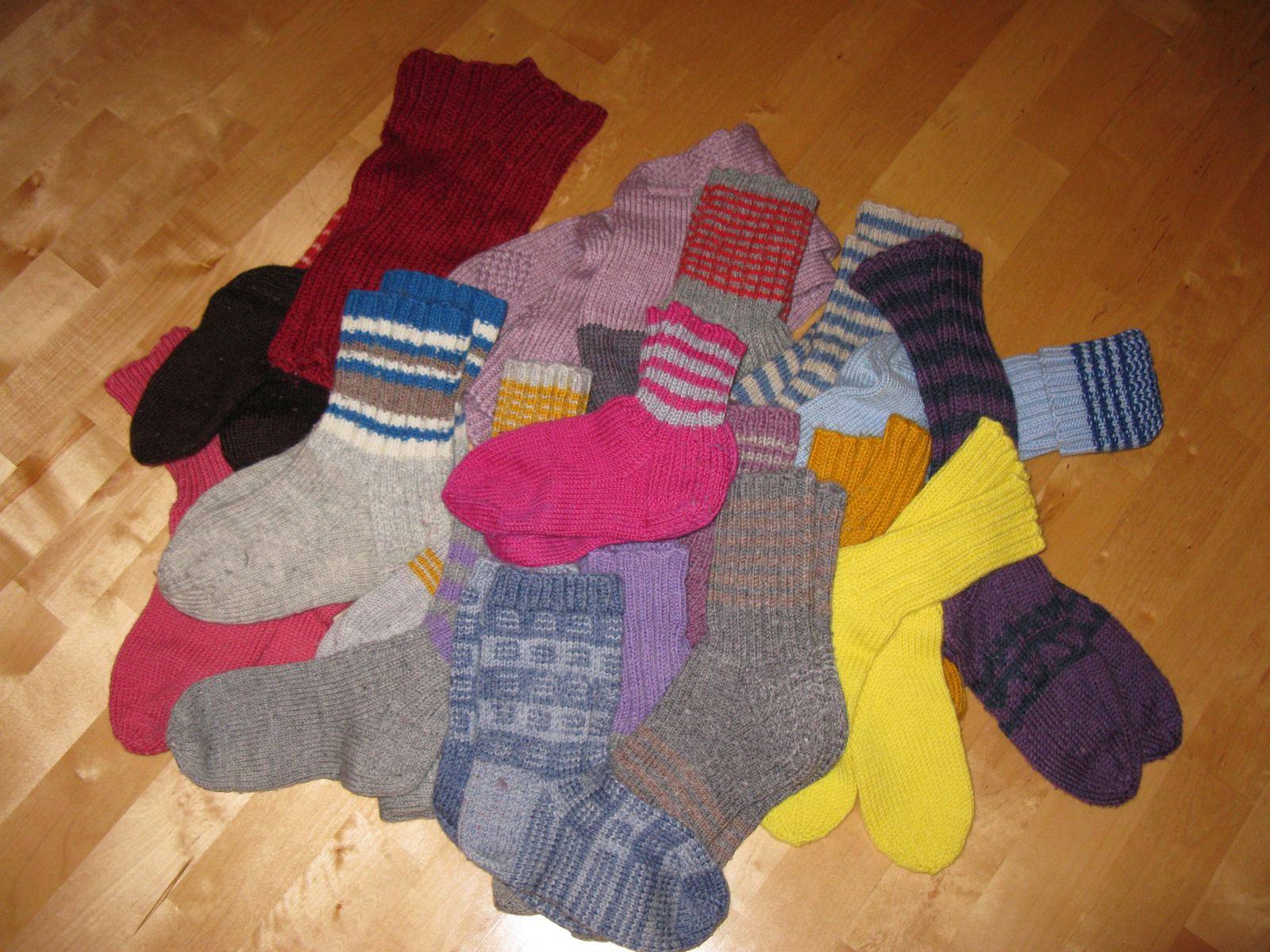
Think small, useful and easy to carry. A gallon zip bag or a small drawstring bag works great.
A New York blessing bag

Pack for the season
New York winters are long and cold, and summers can get hot and humid. Add socks, gloves, a hat and an emergency blanket in winter, and extra water and sunscreen in summer. Easy peasy!
What should I leave out?
- Things that melt or spoil, like chocolate or anything that needs a fridge. Cars get very hot in summer.
- Hard or crunchy foods that are tough to chew. Softer snacks are kinder for sore teeth.
- Glass bottles and sharp things.
- Alcohol and mouthwash with alcohol.
- Cash, unless you feel good about it. A gift card for a nearby grocery or fast food spot can be a nice option.
How do I help someone who seems too cold or too hot?

New York cold can be dangerous. The National Weather Service says people exposed to extreme cold can get frostbite, most often on uncovered skin, hands and feet, and can suffer hypothermia in a matter of minutes.
Hypothermia happens when the body loses heat faster than it can make it. If someone seems very cold, confused or can't get warm, call 911.
Summer heat matters too. The National Weather Service says signs of heat exhaustion include heavy sweating, weakness, cool, pale, clammy skin, dizziness, nausea and headache. It says to move the person to a cooler place, loosen clothing, use cool wet cloths, and offer sips of water.
Heat stroke is an emergency. The National Weather Service says signs include confusion, a body temperature above 103 degrees, hot, red skin and fainting, and to call 911 right away.
Dial 211, or 311 in New York City, to ask about warming centers in winter and cooling centers in summer.
Source (As of October 22, 2026): https://www.weather.gov/safety/heat-illness and https://www.weather.gov/safety/cold
How to make bags with friends, step by step
- Pick a day and invite friends, family, a class or your faith group.
- Ask a local shelter or day center what they need most right now.
- Make a shopping list and split it up.
- Set up an assembly line, with one item per person.
- Add a handwritten note to each bag.
- Keep a few in your car, and give the rest to a local group that accepts them.
A kind word and a pair of warm socks can turn someone's whole day around. Thank you for being that person, friend.
From the Bunklow team
How do I give kindly and safely?
- Make eye contact, smile and say hello. A kind word can mean as much as the bag.
- Offer, don't push. It's OK if someone says no thank you.
- Stay safe. Hand a bag from the sidewalk or a parked spot, never from a moving car or in traffic.
- Respect privacy. Please don't take photos of people without asking.
- Share what you know. If someone asks for help, point them to 211 or this guide.
Kind things to say
"Hi, I'm [your name]. Would you like a bag with some water and snacks?"
"Is there anything you need most today?"
"Here's a card with some numbers that can help. 211 works any time."
"Take care, and have a good day."

Ask a group first
Before you shop for a group drive, call the shelter or day center. Each one decides what it can take, and they'll tell you what's needed most. You'll make it count!
How else can I help?
- Give to food banks. New York food banks feed neighbors through local pantries and partners. Guide 4 lists food banks for each big county.
- Volunteer. Shelters, pantries and day centers often need helpers for meals, sorting and events.
- Share this guide. Our Find Help Near You guides list places to call in each topic. Share them with anyone who could use them.
Say your class wants to make 20 bags
Say your class or club wants to make 20 bags. You could call a local shelter to ask what they need, make a shopping list, and split it up. Then assemble the bags together and drop them off at the shelter at a time they choose.
This is an example to show how it can work. It is not about a real group, and every group is different.
How do I run a food drive the right way?
Food banks have safety rules, so check before you collect. Here is what two New York food banks say.
- City Harvest, in New York City, says New Yorkers run food drives with schools, apartment buildings, businesses and places of worship. It has a list of most needed items and tips to download, and an online #GiveHealthy drive to buy fresh food directly. Call 646.277.7800 for help.
- The Regional Food Bank of Northeastern New York, near Albany, says all donated food needs an ingredient label, inner packaging must be sealed, and cans with dents on the top or bottom seam aren't safe, though dents on the side are OK. Toothbrushes and floss must be sealed, and baby formula must be undamaged and not expired.
Source (As of October 22, 2026): https://www.cityharvest.org/get-involved/food-drives/ and https://regionalfoodbank.net/get-involved/food-drives/
Food drive checklist
Where can I drop off food or bags?
Every group works a little differently, so call first.
- The Regional Food Bank of Northeastern New York asks you to schedule a drop off time online. It notes that during construction at its Latham building, donations go to the volunteer entrance at the far back of the building.
- In New York City, City Harvest runs food drives across the five boroughs. Call 646.277.7800 to ask how to get involved.
- Many food banks also run online food drives, where your money buys food in bulk.
- Shelters and day centers may take blessing bags or new socks. Ask what they need most right now.
Source (As of October 22, 2026): https://regionalfoodbank.net/get-involved/food-drives/ and https://www.cityharvest.org/get-involved/food-drives/
What to ask before you drop off
"Hi. My group made some blessing bags and collected food. Can you use them?"
"What do you need most right now?"
"What day and time is best to drop off?"
"Is there anything you can't take?"
What if I see someone outside in the cold?
You can do more than hand over a bag. Here's how to get someone real help.
- In New York City, call 311 and ask for outreach help. The Department of Homeless Services says an outreach team is sent to find the person, check that they're safe, and encourage them to accept services. Outreach teams work 24/7, all year.
- Code Blue. In New York City, a Code Blue Weather Emergency is called when it's 32 degrees or colder, counting wind chill, between 4 pm and 8 am. During a Code Blue, no one who is homeless and seeking shelter is turned away, and all drop in centers stay open 24 hours.
- Anywhere in New York. State rules say that when it's 32 degrees or colder, counting wind chill, each county must take steps to find people outside, extend shelter hours, and keep those places safe. Dial 211 to ask where people can go.
- If someone seems confused, very cold, or can't get warm, call 911.
Source (As of October 22, 2026): https://www.nyc.gov/site/dhs/outreach/street-outreach.page and https://www.law.cornell.edu/regulations/new-york/18-NYCRR-304.1
What to say when you call 311 or 211
"Hi. There's a person outside at [street and cross street, or landmark] who may need help."
"They're [sitting, lying down, walking], wearing [what they're wearing]."
"It's very cold tonight. Is Code Blue in effect, and can outreach come?"
"Should I call 911 instead?"
Can I donate dented cans?
The Regional Food Bank of Northeastern New York says cans dented on the top or bottom seam aren't safe to donate, but dents on the side are OK.
Can I donate opened toothbrushes or floss?
No. The Regional Food Bank says oral care items must be sealed.
What's the most important thing in a New York blessing bag?
In winter, warm things: new socks, gloves and a hat. In summer, water.
Is it OK to give food?
Yes, if it's sealed and doesn't melt or spoil. Softer snacks are easier for people with sore teeth.
Where can I drop off extra bags?
Call a local shelter, day center or food bank first. Each group decides what it can accept.
What if someone says no thank you?
That's OK. Smile, wish them a good day, and move on kindly.
I see someone outside in the cold in New York City. What do I do?
Call 311 and ask for street outreach. If the person seems in danger, call 911.
Is it safe to give food in New York?
New York has protections for people who give food in good faith to a charity. Questions about the details?
Check the official page below, and decide what's right for you.
- Look first. Check the food when you give it, and make sure it looks fit to eat.
- Leave out food that's spoiled, and canned goods that are rusted, leaking or swollen.
- Food that isn't pretty, is extra or is close to its date can still help.
This is general information, not legal advice. Source (As of October 22, 2026): https://agriculture.ny.gov/
Before you pack food into bags
Can kids and teens help, too?
Yes, and it's a great way to learn kindness. Each food bank sets its own rules, so ask first.
- At Foodlink in Rochester, volunteers must be at least 13. Anyone under 16 must come with an adult, with one adult for every 5 youths.
- Younger kids can help at home. They can sort socks, check dates on snacks and decorate cards with 211 and 988 on them.
- Keep kids with you. Let an adult hand out bags, and stay together on the sidewalk, away from traffic.
Source (As of October 22, 2026): https://foodlinkny.org/volunteer/
Make it a family habit
Pick one day a month to pack a few bags together. Talk about why it matters, and let kids choose one kind thing to add.
New York City (all five boroughs)
Here are some places to start.
311 street outreach (NYC Department of Homeless Services)
What it offers Anyone can call 311 to ask for outreach help for a New Yorker living outside who may need help. An outreach team is sent to find the person, check on their safety and encourage them to accept services. Outreach teams work across the five boroughs 24/7, all year.
How to reach Call 311 or use the 311 app.
Source https://www.nyc.gov/site/dhs/outreach/street-outreach.page
Last checked October 16, 2026
Code Blue (extreme cold)
What it offers A Code Blue Weather Emergency is called when it's 32 degrees or colder, counting wind chill, between 4 pm and 8 am. No one who is homeless and seeking shelter in New York City during a Code Blue will be denied, and all drop in centers stay open 24 hours.
How to reach If someone is out in the cold, call 311. If they seem in danger, call 911.
Source https://www.nyc.gov/site/dhs/outreach/street-outreach.page
Last checked October 16, 2026
City Harvest food drives
What it offers Help running a food drive with your school, building, business or place of worship, a list of most needed items, and an online #GiveHealthy fresh food drive.
How to reach 646.277.7800. https://www.cityharvest.org/get-involved/food-drives/
Source https://www.cityharvest.org/get-involved/food-drives/
Last checked October 16, 2026
Other local groups may also help.
Suffolk County
Here are some places to start.
Long Island Cares, The Harry Chapin Food Bank
What it offers Long Island's food bank, with food drives, donations, volunteer jobs and a Find Food tool.
How to reach 10 Davids Drive (Harry Chapin Way), Hauppauge. Call 631.582.3663 (631.582.FOOD) or email info@licares.org.
Source https://www.licares.org/
Last checked October 18, 2026
Other local groups may also help.
Westchester County
Here are some places to start.
Feeding Westchester
What it offers The food bank for Westchester County, working with a network of about 175 community partners. Its site lists ways to give, volunteer and host drives.
How to reach 200 Clearbrook Road, Elmsford. Call 914.923.1100.
Source https://www.feedingwestchester.org/
Last checked October 18, 2026
Other local groups may also help.
Erie County (Buffalo)
Here are some places to start.
FeedMore WNY
What it offers The food bank for Western New York, with ways to donate, volunteer and get food.
How to reach 100 James E. Casey Drive, Buffalo. Call 716.822.2002 or email hello@feedmorewny.org.
Source https://www.feedmorewny.org/
Last checked October 18, 2026
Other local groups may also help.
Monroe County (Rochester)
Here are some places to start.
Foodlink
What it offers The food bank for the Rochester area, with volunteer projects for ages 13 and up and ways to donate.
How to reach 2011 Mt. Read Boulevard, Rochester. Call 585.328.3380 or email info@foodlinkny.org.
Source https://foodlinkny.org/
Last checked October 18, 2026
Other local groups may also help.
Onondaga County (Syracuse)
Here are some places to start.
Food Bank of Central New York
What it offers Serves 11 counties, with food and fund drives, volunteer jobs and a Food Finder. Office hours Monday to Friday, 8 am to 4:30 pm.
How to reach 7066 Interstate Island Road, Syracuse. Call 315.437.1899.
Source https://www.foodbankcny.org/
Last checked October 18, 2026
Other local groups may also help.
Albany County
Here are some places to start.
Regional Food Bank of Northeastern New York
What it offers Takes food and personal care donations from individuals, with clear safety rules. Schedule a drop off time online.
How to reach 518.786.3691. https://regionalfoodbank.net/get-involved/food-drives/
Source https://regionalfoodbank.net/get-involved/food-drives/
Last checked October 16, 2026
Other local groups may also help.
Chemung County (Elmira)
Here are some places to start.
Food Bank of the Southern Tier
What it offers Feeding people and strengthening communities in the Southern Tier, with ways to give, volunteer and find food. Open Monday to Thursday, 8 am to 4 pm, and Friday, 8 am to 1 pm.
How to reach 388 Upper Oakwood Avenue, Elmira. Call 607.796.6061.
Source https://www.foodbankst.org/
Last checked October 18, 2026
Other local groups may also help.
My blessing bag plan
Fill this in with a pen, or snap a photo and keep it on your phone. You've got this!
My plan
Key numbers to share

Thank you, friend
If something in this guide is out of date, tell us and we'll fix it. Thank you for caring about your neighbors. Make it a great day!

About this guide
Made by the Bunklow team. No sign up, no paywall, no cost. Please share it with anyone who could use it. Bunklow does not run these programs and cannot speak for them. We list what each place says it offers and how to reach it, and you decide what to use. This is not a full list of every place that can help. Sources were first checked on October 16, 2026. New sources were added, and every link was checked again on October 18, 2026. If something has changed, please tell us so we can fix it. We are always happy to hear from you!
Please note. This guide shares general information only. It is not legal, financial, tax or professional advice. Laws vary by state and city. For advice about your situation, talk with a licensed professional.
Affordable living. Simplified