
Please note. This guide shares general information only. It is not legal, financial, tax or professional advice. Laws vary by state and city. For advice about your situation, talk with a licensed professional.
Hi friend. If you need a safe place to sleep tonight, I am really glad you picked this up. You are not alone, and there are people whose whole job is helping you find a bed.
Here is the easy first step in Texas: dial 211 and ask about emergency shelter near you. We will walk through the rest together, one page at a time.
A few things to know
- You choose. Use what feels right for you and skip anything that doesn't.
- Each place decides who it can serve. We share what each place says it offers and how to reach it. We can't promise a bed, money or a spot in any program.
- Hours and details change. Call ahead when you can.
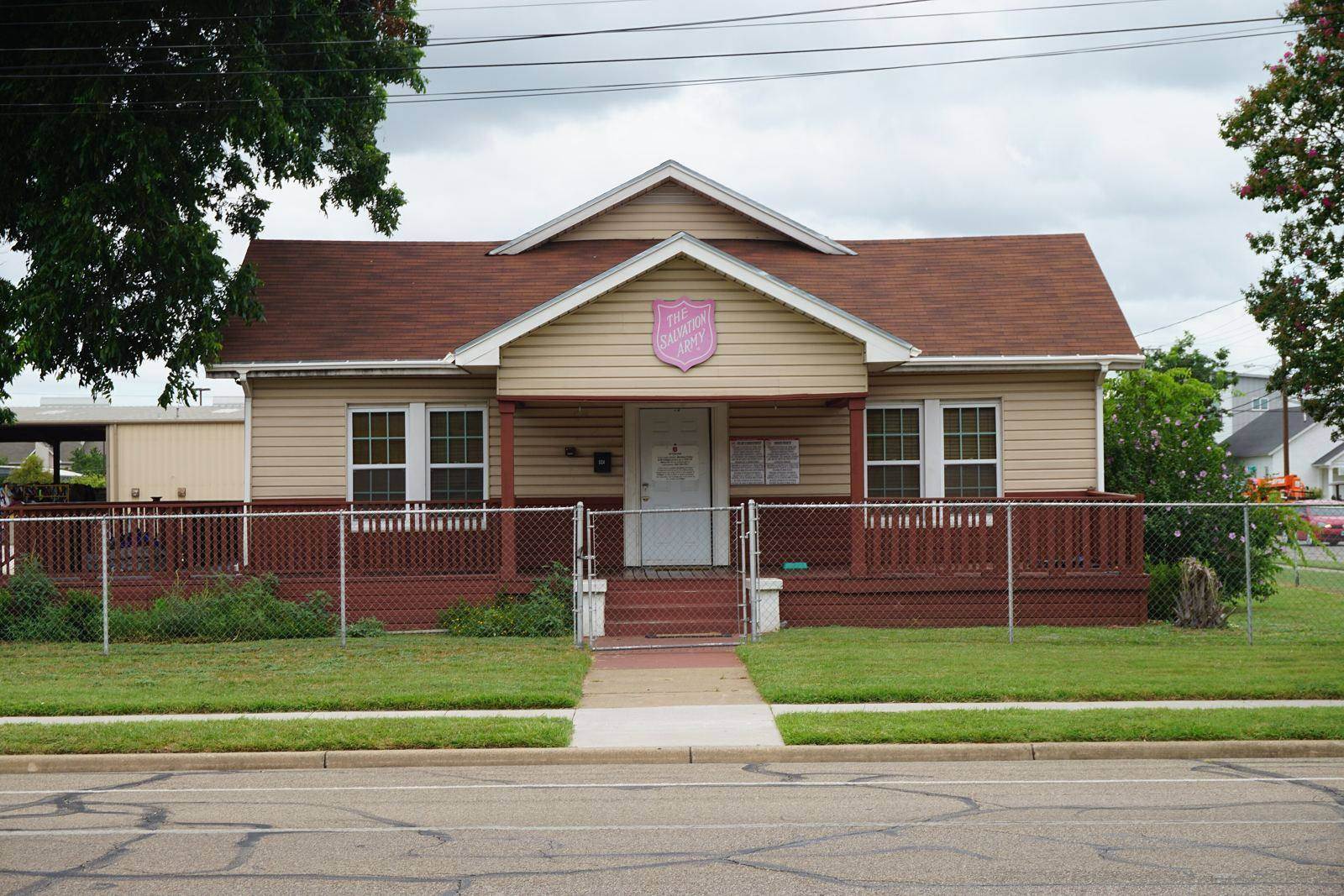
In most of Texas, you don't find a bed by walking from door to door. Beds are usually filled through one phone line or a process called Coordinated Entry.
That's good news, honestly. One call can open more doors than a dozen visits.
In Houston, Harris County and Fort Bend County, the Coalition for the Homeless says to dial 211 to reach Coordinated Entry. In Dallas, the Housing Forward Crisis Helpline at 888.411.6802 connects people to shelter and outreach teams.
I want to be straight with you, because you deserve that. In many Texas cities, shelter beds fill up fast, and housing programs often have waiting lists. That's exactly why it helps to call early and keep calling.
Please don't give up on yourself. One phone call is a real step, and it counts.
From the Bunklow team
How to look for a bed tonight, step by step
- If you can, get to a safe, public place where you can use a phone.
- Dial 211. Say your city or county, and that you need a place to sleep tonight.
- Ask how shelter works where you are.
- Answer the questions as best you can. It's okay to say you don't know.
- Write down who you talked to, what they said, and when to call back.
- If no bed is open tonight, ask what to do next and when to call back.
- If you are in danger at any point, call 911.
What to say when you call
"Hi. I need a place to sleep tonight. I'm near [your city or cross streets]."
"It's just me." Or: "I have [number] kids with me." Or: "My partner is with me."
"I have a dog with me." Or: "I use a wheelchair." Say whatever matters for you.
"Is there a shelter or a list I can get on tonight?"
"If there isn't a bed, what should I do tonight, and when should I call back?"

Keep your numbers with you
Charge your phone any chance you get. Then take a screenshot of the numbers in this guide, so you have them even with no data. Easy peasy!
What kinds of shelter are there?

Not every shelter is the same, and that's a good thing. Here is a quick rundown of the words you may hear, so nothing catches you off guard.
What's open near you depends on your county, so ask 211 which ones exist where you are.
- Emergency shelter. A place to sleep for a short time, often with meals and showers. Many have set check in times.
- Cold weather or heat shelter. Some places open extra beds when the weather turns dangerous. Ask 211 if one is open tonight.
- Domestic violence shelter. A safe, private place for people escaping abuse, often at a confidential address. The National Domestic Violence Hotline can help you find one at 800.799.7233.
- Youth shelter. For young people on their own. In Houston, Covenant House Texas offers a safe place 24/7 for young people at 1111 Lovett Boulevard. Call 713.523.2231.
- Family shelter. For parents or caregivers with children. These fill up fast, so call early in the day if you can.
- Faith based shelter or rescue mission. Run by churches or faith groups. Many welcome anyone. Some ask you to join a program, so it's fair to ask what's expected.
- Veterans programs. If you served, there may be beds set aside just for you. Call the VA line at 877.424.3838.
What is a shelter usually like?

Walking in for the first time can feel scary. That's normal, and you're braver than you think.
Here is what many shelters have in common. Every place sets its own rules, so ask when you call.
- Intake. Staff will ask some questions, like your name, if you have ID, and what brought you there. Answer what you can. No ID? Say so and ask what they suggest.
- Rules. Most places have rules about quiet hours, alcohol and drugs, and respect for others. Ask for the rules up front so there are no surprises.
- Curfew and check in. Many shelters have a time you need to arrive by, and a time you need to leave in the morning. Ask both when you call.
- What you can bring. Space is often tight. Ask about bag limits, lockers, and things they don't allow, like weapons.
- Pets. Many shelters can't take pets, but some can, so it never hurts to ask. A trained service dog is different. See the example below.
- Families. Some shelters keep families together and some serve only adults. Ask before you go so nobody gets split up by surprise.
- Couples. Some places house men and women in separate areas. If you're a couple, ask if there's space for you to stay together, or nearby.
Say you have a service dog
Say you call a shelter and mention your dog. Under the ADA, a service animal is a dog trained to do work or tasks for a person with a disability.
When it isn't obvious, staff may ask only two questions: is the dog a service animal required because of a disability, and what work or task has the dog been trained to perform.
This is an example to show how a call can go. It is not about a real person, and every situation is different. Source (As of October 22, 2026): https://www.ada.gov/resources/service-animals-2010-requirements/

Ask these three before you go
What time do I need to be there? What time do I leave in the morning? Can I bring my bags, my kids, my partner or my pet? Three quick questions save a lot of worry.
What if the shelters are full tonight?
This is the part nobody wants to hear, but I'd rather you be ready. Sometimes there just isn't a bed open tonight.
That is not your fault, and it doesn't mean the door is closed for good.
What to do if there is no bed tonight
- Ask the person on the phone: "What do people do tonight when there's no bed?" They often know options that aren't written down anywhere.
- Ask if there is a waitlist, and get on it. Ask what time to call back tomorrow.
- Ask about day centers, meals and showers for tomorrow. In San Antonio, Haven for Hope is one campus with shelter and many services. Call 210.220.2100.
- In Austin and Travis County, ask about a Coordinated Assessment. ECHO explains how to get one at https://www.austinecho.org/get-help/
- If you are a Veteran, a young person, or escaping abuse, say so. There may be separate help just for you.
- Call back when they told you to. Steady calls really do make a difference.
Say you need a bed tonight in Dallas
Say it's early evening and you have nowhere to stay in Dallas. You could call the Housing Forward Crisis Helpline at 888.411.6802, or dial 211.
The city says the helpline connects people to shelter, outreach teams, housing support and community resources. If there isn't a bed tonight, you can ask what to do next and when to call back.
This is an example to show how a call can go. It is not about a real person, and every situation is different.
How can I stay safe tonight?

Your safety comes first, always. These are simple, common sense ideas, not rules.
Use what fits.
- If you are in danger right now, call 911.
- Stay in well lit, public places when you can, and around other people.
- Tell someone you trust where you are going to be tonight.
- Keep your phone charged. Libraries and some day centers have outlets.
- Trust your gut. If a place or a person feels wrong, leave.
- If you are hurting inside, call or text 988. It's at no cost and open 24/7.
- If someone close to you is hurting you, the National Domestic Violence Hotline is 800.799.7233, or text START to 88788.
If you need help from someone nearby
"Excuse me, I'm not safe right now. Can you call 911 for me?"
"I'm trying to find a shelter tonight. Can I use your phone to dial 211?"
How do I keep my things and papers safe?
Losing your ID or papers is the last thing you need right now. A little planning protects you, and it makes the next steps so much easier.
Protect your papers
A quick photo of every important paper takes two minutes and can save you weeks later. It protects you and the folks trying to help you!
From the Bunklow team
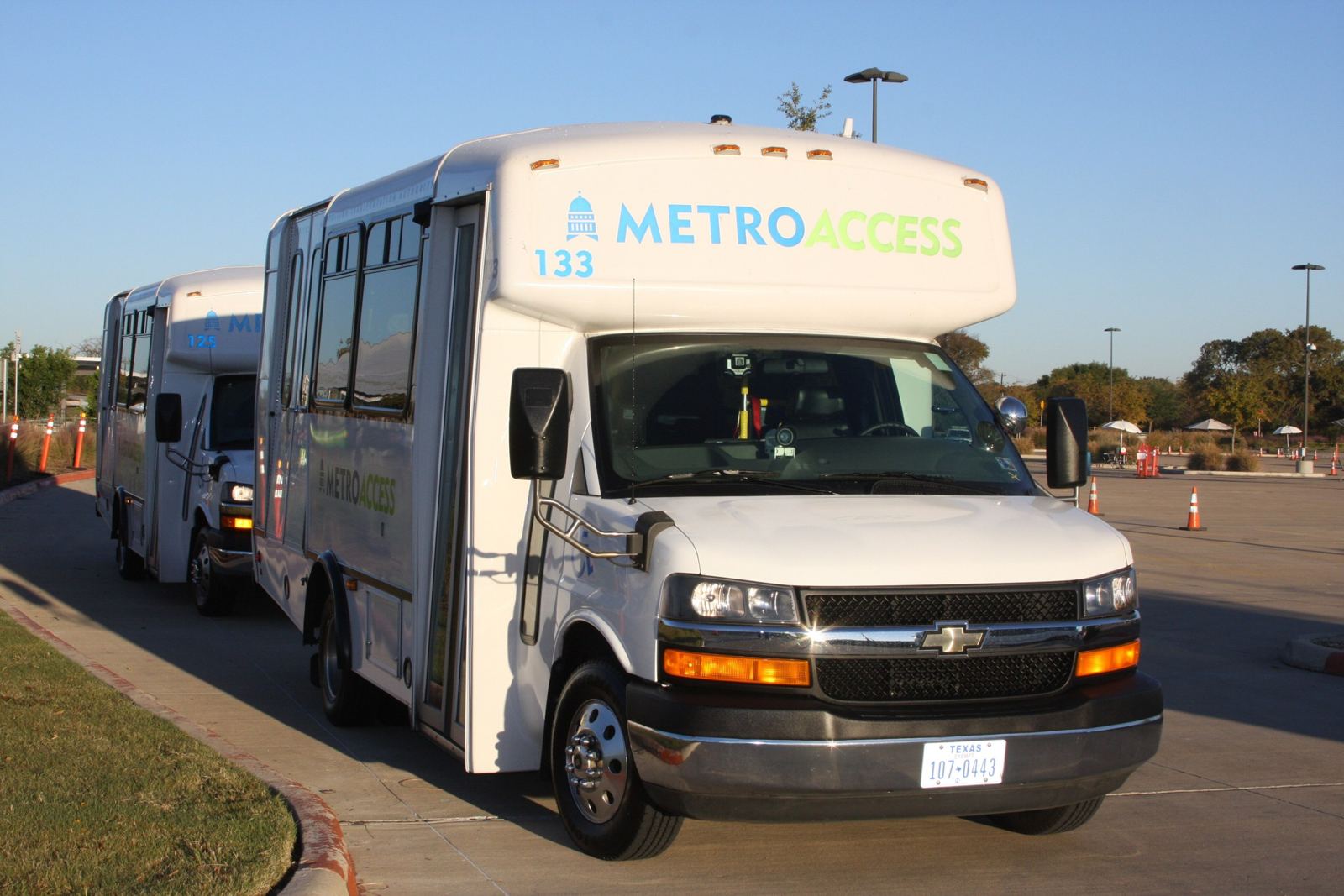
Getting to a bed can be its own puzzle. Here are some ideas.
- Ask 211 or the shelter about rides. Some places can help with a bus pass or a ride. Ask, because the answer is sometimes yes.
- Use local transit. Most Texas metro areas have city buses, and some have trains too. Ask the driver or 211 which route gets you closest.
- Plan around check in times. Leave early so a late bus doesn't make you miss curfew.
- If you are in danger and can't get away safely, call 911.
What if I have medical needs?
Please don't let a health need keep you from asking for a bed. Tell the shelter about it when you call, so they can tell you honestly if it's the right fit.
- Bring medicines in their original bottles, and ask how the shelter stores them.
- If you use oxygen, a wheelchair or other equipment, say so up front.
- For a medical emergency, call 911.
- For help with drugs or alcohol, the SAMHSA National Helpline is at no cost, private and open 24/7, in English and Spanish: 1.800.662.4357. TTY: 1.800.487.4889.
- For a mental health crisis, call or text 988.

Tonight is about a safe place to sleep. Tomorrow is about getting you back into a home of your own. Here is how that usually starts.
- Coordinated Entry. You talk with a trained worker once, and they work to match you with the housing programs that fit. It's how most Texas counties line people up for housing help, so getting assessed early matters.
- Rapid Rehousing. HUD describes Rapid Rehousing as permanent housing with short term rental help (up to 3 months) or medium term rental help (4 to 24 months), plus support services. HUD does not require a disability to qualify, but each program has its own rules. Source (As of October 22, 2026): https://www.hudexchange.info/homelessness-assistance/coc-esg-virtual-binders/coc-program-components/permanent-housing/rapid-re-housing/
- Waitlists are real. Housing help depends on each program's rules and often isn't given at the first visit. Keep your phone on and return calls fast.
Say you and your kids need help in Collin County
The Samaritan Inn in McKinney serves single adults and families experiencing homelessness. It says interviews are first come, first served, Tuesdays and Thursdays, 8:00 am to 1:00 pm, at 1514 N. McDonald Street. You can call 972.542.5302 first.
If those days don't work, you could dial 211 and ask what else is open for families tonight.
This is an example to show how a call can go. It is not about a real person, and every situation is different.
Questions people ask a lot
Do I need an ID to get into a shelter?
Not always. Rules vary, so ask when you call. Don't let a missing ID stop you from asking.
Does it cost money?
Most emergency shelters are at no cost. If a place asks for money, it's fair to ask why and what other options exist.
Can I stay during the day?
Many shelters ask people to leave in the morning. Ask about day centers nearby.
What if I work nights?
Tell them. Some places can work around a job schedule.
How long can I stay?
It's different everywhere. Ask, and ask what happens next.
I got turned away. Now what?
Ask why, and ask who else to call. Then call 211 again. You are not done, my friend.
Write it down
Keep a short list of each place you call, the time, and what they said. It makes call backs faster and way less stressful.
Who can I call in my county?
Every county does it a little differently, so here are some places to start near you. If your county isn't listed, dial 211.
They cover the whole state.
Not sure which one to call? Start with the first one listed for your county. If it's not the right fit, they can usually point you to who is.
From the Bunklow team
Federal help (works in every state)
Here are some places to start.
VA National Call Center for Homeless Veterans
What it offers No cost, private calls 24/7 for Veterans who are homeless or at risk, and for people calling on their behalf. Staff connect you to your nearest VA homeless program.
How to reach Call 877.424.3838.
Source https://department.va.gov/homeless/
Last checked October 16, 2026
National Domestic Violence Hotline
What it offers No cost, private support 24/7 for anyone hurt or threatened by a partner. Advocates can help you make a safety plan and find local programs and shelter.
How to reach Call 800.799.7233. Text START to 88788. Chat at https://www.thehotline.org/
Source https://www.thehotline.org/
Last checked October 16, 2026
1 800 RUNAWAY
What it offers No cost, private support 24/7 for young people who are thinking of running away, have left home or are in a crisis, and for worried family members.
How to reach Call 1.800.RUNAWAY (1.800.786.2929).
Source https://www.1800runaway.org/
Last checked October 16, 2026
Other local groups may also help.
Texas
Here are some places to start.
211 Texas
What it offers A no cost service from Texas Health and Human Services that connects people with food, housing, mental health, benefits and other help. You can also chat online in English or Spanish.
How to reach Dial 211 or 877.541.7905. Search at https://www.211texas.org/
Source https://www.211texas.org/
Last checked October 16, 2026
Other local groups may also help.
Harris County (Houston)
Here are some places to start.
Coalition for the Homeless: The Way Home
What it offers Coordinated Entry for people experiencing homelessness in Harris, Fort Bend and Montgomery counties, with a no wrong door approach. The Coalition does not offer onsite services. If you need help now, call 211.
How to reach Dial 211. Find help at https://www.cfthhouston.org/coordinated-entry
Source https://www.cfthhouston.org/coordinated-entry
Last checked October 16, 2026
Covenant House Texas
What it offers A safe place 24/7 for young people experiencing homelessness. 1111 Lovett Boulevard, Houston.
How to reach Call 713.523.2231.
Source https://www.covenanthousetx.org/
Last checked October 16, 2026
Other local groups may also help.
Dallas County
Here are some places to start.
Housing Forward Crisis Helpline (Dallas)
What it offers Connects people to shelter, outreach teams, housing support and community resources. For non emergency city help, call 311.
How to reach Call 888.411.6802.
Source https://dallascityhall.com/departments/housing-and-homelessness/Pages/get-support.aspx
Last checked October 16, 2026
Other local groups may also help.
Tarrant County (Fort Worth)
Here are some places to start.
Partnership Home: Coordinated Entry (Tarrant County)
What it offers Coordinated Entry for people experiencing homelessness in Fort Worth and Tarrant County.
How to reach Learn how to get help at https://partnershiphome.org/systemresponse/coordinated-entry/ or dial 211.
Source https://partnershiphome.org/systemresponse/coordinated-entry/
Last checked October 16, 2026
Other local groups may also help.
Bexar County (San Antonio)
Here are some places to start.
Haven for Hope
What it offers A campus in San Antonio with shelter and many services for people experiencing homelessness. 1 Haven for Hope Way.
How to reach Main office: 210.220.2100.
Source https://www.havenforhope.org/get-help/
Last checked October 16, 2026
Close to Home (San Antonio)
What it offers San Antonio's guide to homeless services and resources, including help for youth and families.
How to reach Find resources at https://closetohomesa.org/find-resources/
Source https://closetohomesa.org/find-resources/
Last checked October 16, 2026
Other local groups may also help.
Travis County (Austin)
Here are some places to start.
ECHO: Get Help (Austin and Travis County)
What it offers A good first step toward stable housing is a Coordinated Assessment, the community's central housing application. ECHO does not run housing itself but connects you to it.
How to reach Learn how to get assessed at https://www.austinecho.org/get-help/
Source https://www.austinecho.org/get-help/
Last checked October 16, 2026
Other local groups may also help.
Collin County
Here are some places to start.
The Samaritan Inn
What it offers Shelter, case management and life skills programs for single adults and families experiencing homelessness in Collin County. Interviews are first come, first served, Tuesdays and Thursdays, 8:00 am to 1:00 pm, at 1514 N. McDonald Street, McKinney.
How to reach Call 972.542.5302.
Source https://saminn.org/become-a-resident/
Last checked October 16, 2026
Other local groups may also help.
Denton County
Here are some places to start.
United Way of Denton County: Find Help
What it offers Resource navigation for people facing homelessness or a housing crisis in Denton County. 1314 Teasley Lane, Denton. Monday to Thursday, 9:30 am to noon and 1:00 pm to 4:00 pm.
How to reach Call 940.566.5851. Mental Health Navigators: call or text LINK to 940.349.3000.
Source https://www.unitedwaydenton.org/find-help
Last checked October 16, 2026
Other local groups may also help.
Hidalgo County
Here are some places to start.
Hidalgo County Urban County Program: Coordinated Entry
What it offers Runs the Emergency Solutions Grant and the Coordinated Entry process in Hidalgo County.
How to reach Call 956.787.8127 or 866.613.5277.
Source https://www.hidalgocounty.us/2306/Emergency-Solutions-Grant-ESG
Last checked October 16, 2026
Other local groups may also help.
El Paso County
Here are some places to start.
City of El Paso Community and Homeless Assistance
What it offers Navigators help with resources, case management, basic needs referrals and housing stabilization. Street outreach social workers are available 24/7.
How to reach Navigator line: 915.400.7401. Office: 915.212.0138.
Source https://www.elpasotexas.gov/community-and-human-development/community-and-homeless-assistance/
Last checked October 16, 2026
Other local groups may also help.
Fort Bend County
Here are some places to start.
Coalition for the Homeless: The Way Home
What it offers Coordinated Entry for people experiencing homelessness in Harris, Fort Bend and Montgomery counties, with a no wrong door approach. The Coalition does not offer onsite services. If you need help now, call 211.
How to reach Dial 211. Find help at https://www.cfthhouston.org/coordinated-entry
Source https://www.cfthhouston.org/coordinated-entry
Last checked October 16, 2026
Other local groups may also help.
What to bring if you can
My plan for tonight
Fill this in with a pen, or snap a photo and keep it on your phone. You've got this!
Tonight I will sleep at
Calls I made today
Key numbers to keep

You're doing the right thing
Asking for help is a strong thing to do, my friend. You don't need to have it all figured out before you call. Make it the best night you can, and call again tomorrow.

About this guide
Made by the Bunklow team. No sign up, no paywall, no cost. Please share it with anyone who could use it. Bunklow does not run these programs and cannot speak for them. We list what each place says it offers and how to reach it, and you decide what to use. This is not a full list of every place that can help. Every source was checked on October 16, 2026. If something has changed, please tell us so we can fix it. We are always happy to hear from you!
Please note. This guide shares general information only. It is not legal, financial, tax or professional advice. Laws vary by state and city. For advice about your situation, talk with a licensed professional.
Affordable living. Simplified