

Guide · Renting and leases
Pets in Rentals
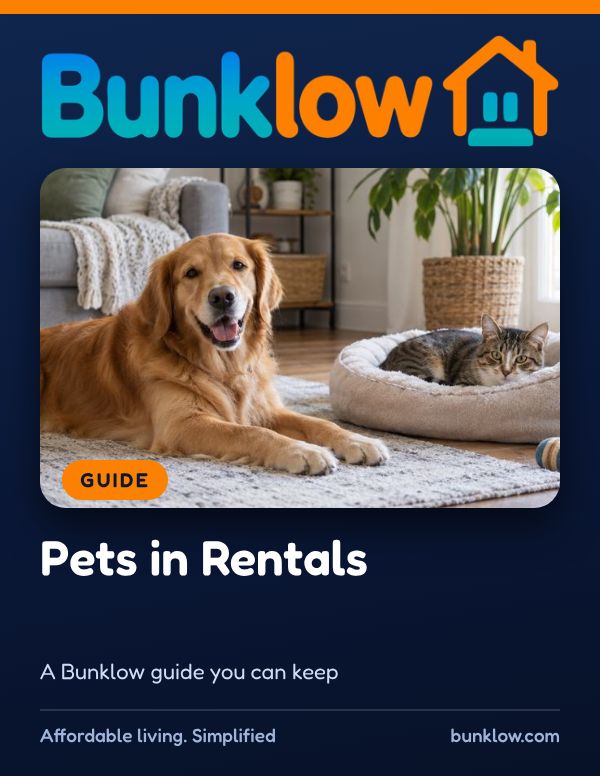
A friendly, practical guide to sharing a rental home with a pet, from getting permission to keeping the home, the pet and the neighbors happy.
Where to start
- Thinking about a pet?
Ask first, in writing. Then build a pet résumé.
- A pet caused a problem?
Take a breath. Most can be fixed with a little teamwork. See if a pet causes a problem.
- Own the home?
Start with before a pet moves in.
The short version
Pets and rentals can go together beautifully when everyone talks first and expectations are clear and kind.
Get written approval before any pet moves in, and keep a pet addendum with the lease that names each pet.
Pet rules usually cover allowed animals, number and size, any deposit or fee, and expectations for waste, leashes and noise.
Prevent damage with nail trims, scratching posts and washable rugs, clean accidents right away, and share problems early.
Assistance animals for people with disabilities are not pets and are handled under fair housing rules. If you ever have questions, we would love to help.
Four simple rules
- 1Ask first, in writing
Before a pet moves in, even for a short visit, get written approval and add the details to the lease or a pet addendum.
- 2Know the pet rules
Pet rules may cover the type, number and size of pets, any deposit or fee, and expectations for waste, noise and leashes.
- 3Prevent damage early
Scratching, chewing and accidents are easiest to stop when they are small. A little prevention saves a lot of repair.
- 4Be a good neighbor
Keep pets leashed in shared areas, pick up waste every time, and keep noise in check, especially at night.
Everyday pet habits
From the guide’s own checklist. Tick each one as you go. Your ticks stay on this device. These are examples; your home may need others.
All done. We hope every pet, and every person, feels at home.
Build a pet résumé
A pet résumé shows a pet is well cared for. Tick each one as you gather it. Your ticks stay on this device. These are examples; add anything else that helps.
All done. It answers questions before they are asked, and it can make approval much easier.
If a pet causes a problem
- Take a breath. Pet problems are common, and most can be fixed with a little teamwork.
- Make sure the pet and everyone nearby are safe first.
- Clean up and limit any damage right away, like blotting an accident or blocking off a chewed area.
- Share what happened in writing, with photos, and offer to help make it right.
- Talk with a veterinarian or trainer if the problem is behavior, like barking, scratching or anxiety.
- Agree together on next steps and a simple plan to keep it from happening again.
If a pet has an accident on carpet, blot, don’t rub, and use an enzyme cleaner made for pet messes.
For owners: before a pet moves in
From the guide’s own checklist. Tick each one as you go. Your ticks stay on this device. These are examples; your home may need others.
All done. A clear, written pet addendum, with each pet named, protects everyone.
For owners: when pet concerns come up
- Listen first, and share concerns kindly and privately, with specifics.
- Look for simple solutions together, like a scratching post, a training class or a change in walk times.
- Respond to neighbor complaints fairly, and check the facts before acting.
- Charge only for actual damage beyond normal wear, with photos and receipts.
- Keep notes of every conversation and agreement, and follow up kindly to see how things are going.
Guides that go well with this one
Helpful resources
The guide points to these for details. Rules differ from place to place, so the official pages where your home is are the best guide.
Like it on paper?
The printable checklist for this guide is fillable, with a screen version and an ink saver print version. Keep it on your phone or pin it to the fridge.
How much do you remember?
4 quick questions from this guide, with a one line why for each. Totally optional, no sign in, and your answers are never saved.
Go deeper with The Perfect Move-In Checklist Workbook
Simple, step by step checklists you can write in for moving in: the move in walk, moving day, your first week, utilities, keys and more.
Keep the full guide handy
The PDF has everything: everyday habits, what to do when something goes wrong, common myths, helpful resources and plenty of real-world tips. Print it, save it or share it with anyone who could use it.
Download the PDFMore guides


This guide shares general information to help you, and is not legal, veterinary or medical advice. Bunklow does not inspect properties or decide deposits.