

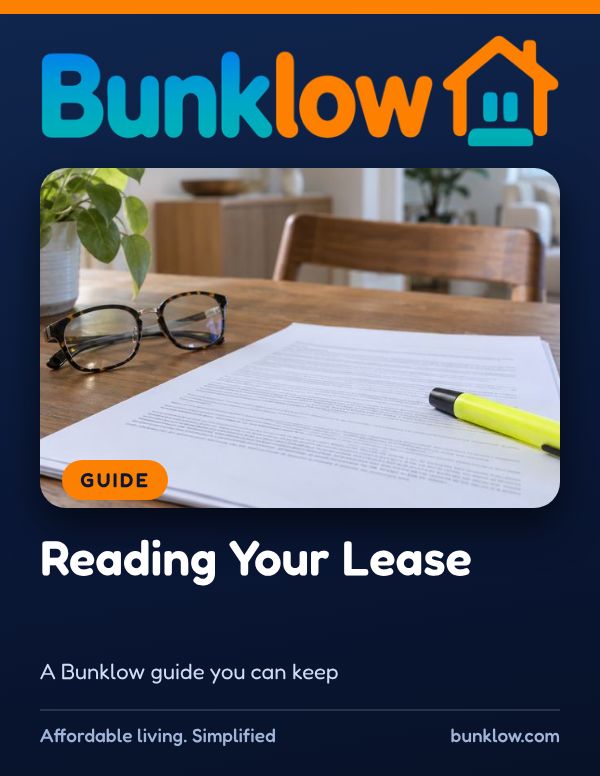
Guide · Renting and leases
Reading Your Lease
A friendly, practical guide to understanding a residential lease, the questions worth asking, and keeping your copy safe.
Where to start
- Signing soon?
Tick through good reading habits before you sign.
- Something seems unclear or unfair?
Take a breath. See what to do next.
- Preparing a lease?
Owners can start with before signing day.
The short version
A lease is a binding agreement that sets the promises between everyone in the home: rent, repairs, entry, notice and more.
Key sections usually include the term, rent and fees, the deposit, utilities, repairs, entry, pets, guests, renewal and notice to move out.
Before signing: read every page, ask about anything unclear, make sure every blank is filled, and get any changes in writing.
Keep a complete, signed copy of the lease and every addendum, both paper and digital, alongside your move-in report.
Lease rules differ from place to place, so we’d gently encourage a quick look at your local rules. If you ever have questions, we would love to help.
Four simple rules
- 1Read every page before signing
Take your time. A lease is a binding agreement, and it’s okay to ask for a day to read it calmly.
- 2Ask until it’s clear
If a word or section is confusing, ask. A good owner would always rather explain now than disagree later.
- 3Changes go in writing
Any promise or change, like a repair or a pet, should be added to the lease in writing and signed by everyone.
- 4Keep a signed copy
Everyone should have a complete, signed copy, including every addendum, kept somewhere safe.
Good reading habits
From the guide’s own checklist. Tick each one as you go. Your ticks stay on this device. These are examples; your home may need others.
All done. We hope you sign with confidence and peace of mind.
If something seems unclear or unfair
- Take a breath. Most confusing clauses have a simple explanation.
- Mark the section and write down your question in plain words.
- Ask the owner or manager kindly, in writing, what the section means.
- If you agree on a change, ask for it to be written into the lease and initialed by everyone.
- Keep a copy of the conversation and any changes with your lease.
- If you still feel unsure, a local tenant or landlord association, legal aid office or attorney can help.
When a clause seems confusing, ask “Could you help me understand this part?” A curious question opens a much friendlier conversation.
A few things to avoid
- Please don’t sign a lease with blank spaces. Ask for them to be filled in or crossed out first.
- Please don’t rely on spoken promises. If it matters, ask for it to be written into the lease.
- Please don’t skip the addenda. Pet, parking and rules addenda are part of the agreement too.
- Please don’t feel rushed. It’s always okay to ask for time to read before signing.
Key sections usually include the people and the home, the term, rent and fees, the deposit, utilities, repairs and maintenance, entry, pets, guests, renewal and notice to move out.
For owners: before signing day
From the guide’s own checklist. Tick each one as you go. Your ticks stay on this device. These are examples; your home may need others.
All done. A clear lease builds trust on both sides.
Guides that go well with this one
Helpful resources
The guide points to these for details. Rules differ from place to place, so the official pages where your home is are the best guide.
How much do you remember?
4 quick questions from this guide, with a one line why for each. Totally optional, no sign in, and your answers are never saved.
Go deeper with The Perfect Move-In Checklist Workbook
Simple, step by step checklists you can write in for moving in: the move in walk, moving day, your first week, utilities, keys and more.
Keep the full guide handy
The PDF has everything: everyday habits, what to do when something goes wrong, common myths, helpful resources and plenty of real-world tips. Print it, save it or share it with anyone who could use it.
Download the PDFTake it with you
- Leases, Rent and Money Checklist PackThe Leases, Rent and Money checklists in one pack, fillable on screen or printable.See it in the shop
More guides
This guide shares general information to help you, and is not legal advice. Bunklow does not write, review or enforce leases.