

Guide · Home care
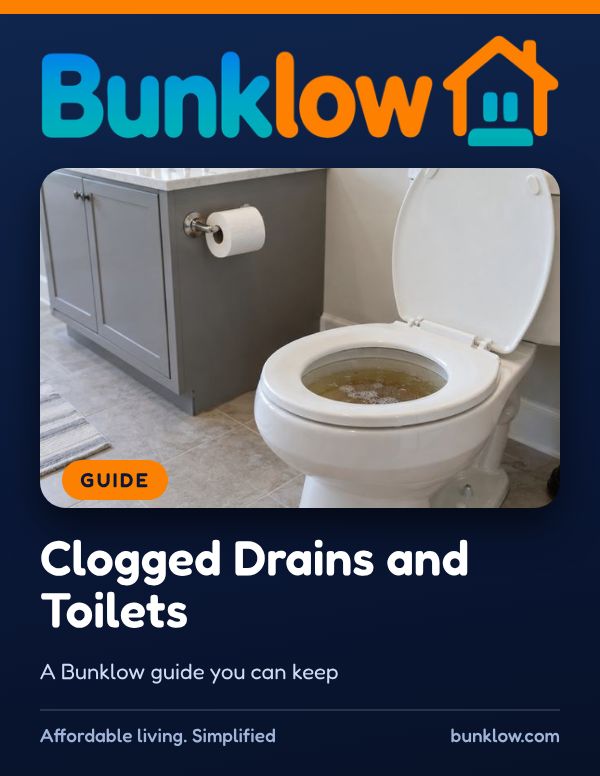
Clogged Drains and Toilets
A friendly, practical guide to keeping water flowing, handling a clog calmly, and knowing when it’s time to call for help.
Where to start
- Toilet about to overflow?
Stop flushing and press the flapper down. See if a toilet starts to overflow.
- More than one drain backing up?
Stop using water and share it as urgent. See when to call for help.
- Just want good habits?
Start with the checklist. Only three things get flushed.
The short version
Most clogs come from grease, hair, wipes and items that were never meant to be flushed, and most are easy to prevent.
Only pee, poo and toilet paper go in the toilet. Put grease, wipes and other items in the trash, and use strainers in every sink and shower.
If a toilet starts to rise, stop flushing, press the flapper down, and turn the shutoff valve clockwise. Use the right plunger, and skip chemical drain openers.
If more than one drain backs up or you smell sewage, stop using water and share it as urgent right away.
Plumbing responsibilities vary by lease and by place, so we’d gently encourage a quick look at the rules where your home is. If you ever have questions, we would love to help.
Four simple rules
- 1Only three things get flushed
Pee, poo and toilet paper. Everything else, including “flushable” wipes, belongs in the trash.
- 2Grease goes in the trash
Let cooking grease cool, then scrape it into a can or the trash. Hot water and soap don’t keep it from hardening in pipes.
- 3Catch it before it goes down
Simple strainers in sinks, tubs and showers stop hair and food before they become a clog.
- 4Stop the water first
If a toilet or drain starts to back up, stop adding water right away, then share it.
Your drains and toilets checklist
From the guide’s own checklist. Tick each one as you go. These are examples; your home may need others.
All done. Water flowing, floors dry.
If a toilet starts to overflow
- Stop flushing. If the water is rising, lift the tank lid and gently press the flapper down.
- Turn the shutoff valve behind or beside the toilet clockwise until it stops.
- Lay towels down to protect the floor, and put on gloves.
- Use a flange plunger and make a good seal. Push gently first, then plunge firmly a few times.
- If it doesn’t clear after a few tries, or if water backs up somewhere else, stop and share it right away, in writing.
- Once the water is gone, clean and disinfect the area and let the floor dry completely.
You did exactly the right thing.
When to call for help right away
If more than one drain is slow or backing up, if water comes up in a tub or shower when a toilet is flushed, or if you smell sewage, it can be a sign of a main line problem.
Please stop using water in the home until it’s checked, and share it as an urgent concern.
Guides that go well with this one
How much do you remember?
4 quick questions from this guide, with a one line why for each. Totally optional, no sign in, and your answers are never saved.
Go deeper with The Perfect Toolkit
A calm, plain guide for residents and owners to building a basic home toolkit, using it safely for small everyday fixes, and knowing exactly when to stop and call the owner or a pro.
Keep the full guide handy
The PDF has everything: everyday habits, what to do when something goes wrong, common myths, helpful resources and plenty of real-world tips. Print it, save it or share it with anyone who could use it.
Download the PDFTake it with you
- Bunklow Home Guide 027: Non-Caustic Kitchen Sink Drain Care and Mineral Cleansing ReactionsA printable Bunklow guide to non-caustic kitchen sink drain care and mineral cleansing reactions: plain steps, how often to check, and when to call a pro.See it in the shop
- Bunklow Home Guide 030: Low-Flow Toilet Clearing, Plunging Mechanics, and Rim Jet MaintenanceA printable guide to low-flow toilet clearing, plunging mechanics, and rim jet maintenance, in plain steps.See it in the shop
- Plumbing and Water Checklist PackThe Plumbing and Water checklists in one pack, fillable on screen or printable.See it in the shop
More guides
This guide shares general information to help you, and is not legal or plumbing-code advice. Bunklow does not inspect properties.