

Guide · Renting and leases
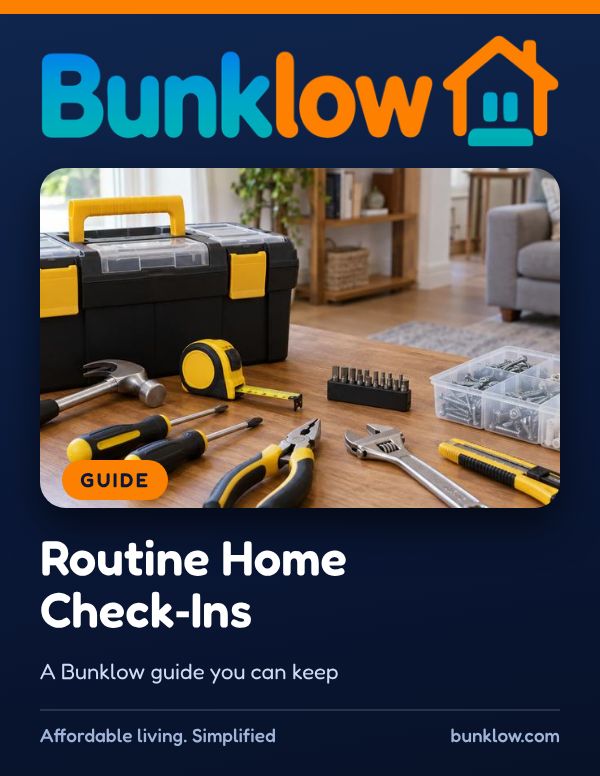
Routine Home Check-Ins
A friendly, practical guide to periodic home check-ins during a tenancy, from proper notice and purpose to what is checked, respecting privacy and keeping the visit friendly.
Where to start
- Got a notice for a check in?
Read it, and let the owner know if the time doesn’t work so you can find another. See getting ready.
- Something came up during the visit?
Take a breath. Most concerns are simple to solve. See if a check in raises a concern.
- Planning one as an owner?
Start with the friendly check in checklist.
The short version
A routine check-in should feel like a friendly visit, not an inspection to dread.
Owners give proper written notice, keep visits focused on the home’s condition and safety, and respect privacy.
Residents can share a repair list, secure pets and ask for a written summary afterward.
Check-ins catch small problems early, which means faster repairs and a safer home for everyone.
Entry rules differ from place to place, so we’d gently encourage a quick look at the rules where your home is. If you ever have questions, we would love to help.
Four simple rules
- 1Give proper notice
Owners give written notice as the lease and local rules require, at a reasonable time.
- 2Keep it focused
A check-in looks at the home’s condition and safety, not at how people live.
- 3Respect privacy
Don’t open drawers or closets, or touch belongings, unless it is needed and agreed.
- 4Follow up kindly
Share what was found in writing, and schedule repairs promptly.
Getting ready for a check in
From the guide’s own checklist. Tick each one as you go. Your ticks stay on this device. These are examples; your home may need others.
All set. A running repair list on the fridge keeps the next one easy too.
If a check in raises a concern
- Take a breath. Most concerns found during a check in are simple to solve.
- Ask questions until you understand what was found and why it matters.
- Agree in writing on what will be repaired, by whom and by when.
- If something is your responsibility under the lease, ask for time and clear steps.
- Keep copies of the summary and any photos.
- If you feel a visit was unfair, talk kindly with the owner, or reach out to a local tenant association.
Ask for the summary in writing before the owner leaves, or by message the same day. You did exactly the right thing.
Friendly check in checklist for owners
From the guide’s own owner lists. Tick each one as you go. Your ticks stay on this device. These are examples; every home is a little different.
All done. A friendly visit, and a home in better shape for everyone.
What a check in usually covers
- Smoke and carbon monoxide alarms
- Under sinks, toilets and the water heater
- HVAC filters
- Windows, doors and locks
- Signs of leaks, pests or moisture, and anything that needs repair
The check in looks at the home, not at people’s belongings. These are examples, not a complete list.
Guides that go well with this one
How much do you remember?
4 quick questions from this guide, with a one line why for each. Totally optional, no sign in, and your answers are never saved.
Go deeper with The Perfect Move-In Checklist Workbook
Simple, step by step checklists you can write in for moving in: the move in walk, moving day, your first week, utilities, keys and more.
Keep the full guide handy
The PDF has everything: everyday habits, what to do when something goes wrong, common myths, helpful resources and plenty of real-world tips. Print it, save it or share it with anyone who could use it.
Download the PDFTake it with you
- The Perfect Rental Owner Checklist WorkbookA fillable workbook with a screen version and an ink saver print version.See it in the shop
More guides

This guide shares general information to help you, and is not legal advice. Notice and entry rules depend on the lease and the rules where the home is. Bunklow does not inspect properties.