

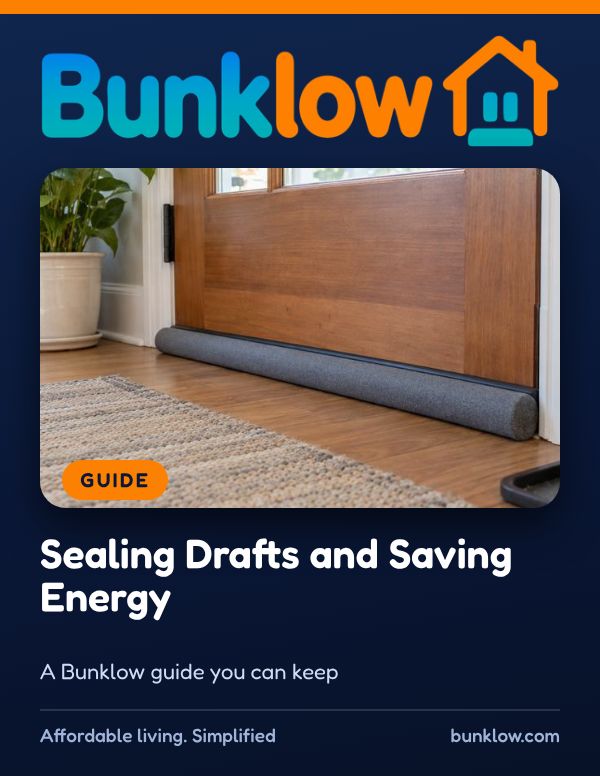
Guide · Home care
Sealing Drafts and Saving Energy
A friendly, practical guide to finding drafts, sealing leaks, using the thermostat wisely and trimming energy bills, so the home stays comfortable in every season.
Where to start
- No heat in very cold weather?
Treat it as urgent and call right away. See if a room just won’t stay comfortable.
- Feeling a chill by the window?
Check the common places drafts hide.
- Want lower bills?
Work through the drafts and energy checklist.
The short version
Comfort and lower bills usually come from the same small fixes.
Feel for drafts around windows, doors and outlets, and share what you find with the owner.
Close the fireplace damper, use curtains wisely, switch to LED bulbs and keep vents clear.
Set the thermostat a little lower in winter and higher in summer, and never block vents for fuel-burning appliances.
Energy rules differ from place to place, so we’d gently encourage a quick look at the rules where your home is. If you ever have questions, we would love to help.
Four simple rules
- 1Find the drafts
Feel around windows, doors, outlets and baseboards on cold or windy days.
- 2Seal the small gaps
Weatherstripping, caulk and door sweeps stop many drafts for very little cost.
- 3Set the thermostat wisely
Small, steady adjustments save energy without sacrificing comfort.
- 4Ask before changing things
Residents check with the owner before adding or changing anything permanent.
Drafts and energy checklist
From the guide’s own checklist. Tick each one as you go. Your ticks stay on this device. These are examples; your home may need others.
All done. Your home should feel cozier and kinder to your budget.
Common places drafts hide
- Around windows and doors, outlets and switches on outside walls, baseboards, attic hatches, and where pipes or wires come through walls.
- Fireplaces with open dampers, around dryer vents, and recessed lights below an attic.
These are common examples, not a complete list. On a windy day, hold a thin tissue near each spot. Wherever it flutters sideways, air is sneaking in.
If a room just won’t stay comfortable
- Take a breath. A cold or hot room usually has a cause that can be found.
- Check that the vents in the room are open and nothing is blocking them.
- Close windows fully and lock them. Locking often pulls the window tight against its seal.
- Feel for drafts at doors, windows and outlets, and notice what time of day the room gets uncomfortable.
- Write down the room temperature and what you noticed, with photos.
- Share it in writing.
No heat in very cold weather, or no cooling in dangerous heat, is urgent. Call right away. You did exactly the right thing.
Guides that go well with this one
Like it on paper?
The printable checklist for this guide is fillable, with a screen version and an ink saver print version. Keep it on your phone or pin it to the fridge.
How much do you remember?
4 quick questions from this guide, with a one line why for each. Totally optional, no sign in, and your answers are never saved.
Go deeper with The Perfect Efficient Home
A plain, honest guide for residents and owners who want to waste less energy and water and keep bills easier to live with, without giving up comfort.
Keep the full guide handy
The PDF has everything: everyday habits, what to do when something goes wrong, common myths, helpful resources and plenty of real-world tips. Print it, save it or share it with anyone who could use it.
Download the PDFMore guides



This guide shares general information to help you, and is not legal, energy-audit or contractor advice. Please ask the owner before making changes. Bunklow does not inspect homes or perform energy work.