

Guide · Renting and leases
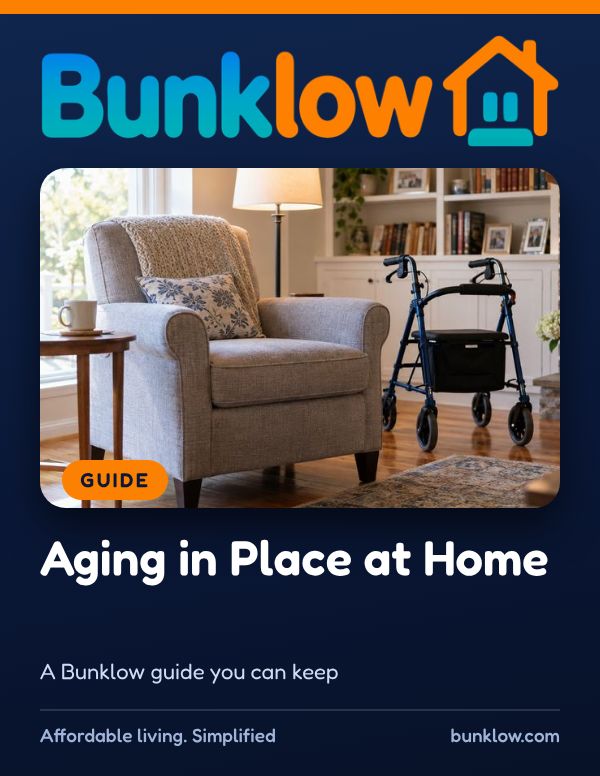
Aging in Place at Home
A friendly, practical guide to helping older adults stay safe, comfortable and independent at home, from preventing falls to simple changes that make every day easier.
Where to start
- Worried about falls?
Start with the everyday safety checklist. Many changes cost very little.
- Someone just fell?
See if someone falls for calm, simple steps.
- Want a change in a rental?
Ask before making changes. The Accessibility Modifications guide shows how to ask.
The short version
Small changes help older adults stay safe, comfortable and independent at home. Many cost very little.
Clear clutter and loose rugs from walkways, add night lights from bed to bathroom, and keep everyday items within easy reach.
Grab bars in the bathroom and sturdy railings on both sides of stairs give steady support. Towel bars aren’t grab bars.
Strength and balance exercise, yearly eye checks and a medicine review with a doctor help prevent falls. Tell a doctor about any fall.
In a rental, ask before making changes. Fair housing laws generally protect reasonable accommodation requests, and rules differ from place to place. If you ever have questions, we would love to help.
Four simple rules
- 1Clear the path
Remove clutter, loose rugs and cords from walkways. Most falls at home happen on the way somewhere.
- 2Light the way
Bright lights on stairs and hallways and night lights from bed to bathroom prevent many falls.
- 3Something to hold
Grab bars in the bathroom and sturdy railings on both sides of stairs give steady support.
- 4Ask kindly, and early
In a rental, ask before making changes. Many requests for accessibility changes are welcomed.
Your everyday safety checklist
From the guide’s own checklist. Tick each one as you go. These are examples; every home and every person is different.
All done. Walk the path from bed to bathroom tonight with only the night lights on.
If someone falls
- If you have fallen, stay still for a moment and check whether you are hurt.
- If you are hurt, or can’t get up safely, call 911 or use a medical alert device.
- If you can get up, roll to your side, crawl to a sturdy chair, and slowly rise using it for support.
- If you are helping someone who fell, don’t lift them quickly.
- Tell a doctor about any fall, even if no one was hurt.
- Share anything about the home that played a part, like a loose rug or dim light, so it can be fixed.
Most falls at home happen on the way somewhere. A clear, well lit path helps most.
Guides that go well with this one
Like it on paper?
The printable checklist for this guide is fillable, with a screen version and an ink saver print version. Keep it on your phone or pin it to the fridge.
How much do you remember?
4 quick questions from this guide, with a one line why for each. Totally optional, no sign in, and your answers are never saved.
Go deeper with The Perfect Series
When you want more than a guide, the books in The Perfect Series go room by room and step by step, in the same calm, plain words.
Keep the full guide handy
The PDF has everything: everyday habits, what to do when something goes wrong, common myths, helpful resources and plenty of real-world tips. Print it, save it or share it with anyone who could use it.
Download the PDFMore guides

This guide shares general information to help you, and is not legal, medical or safety-code advice. Please talk with a doctor about fall risk and health questions. Bunklow does not inspect properties or make repairs.