

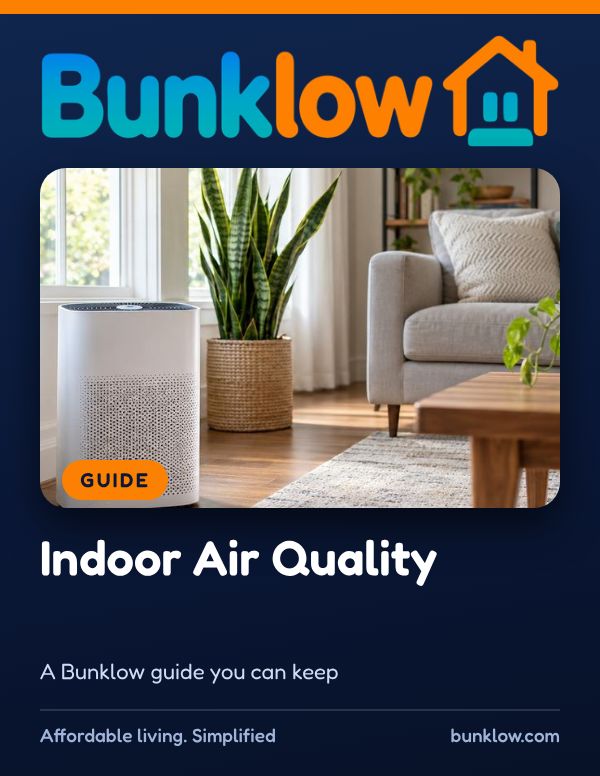
Guide · Safety and emergencies
Indoor Air Quality
A friendly, practical guide to fresh air, clean filters, healthy humidity and getting through smoky days comfortably.
Where to start
- CO alarm sounding, or smell gas?
Leave the home for fresh air right away and call 911. See signs worth sharing.
- Smoky or poor air day?
- Breathing easier every day?
Tick through fresh air habits.
The short version
Healthy indoor air comes from simple habits: bring fresh air in, use exhaust fans when cooking and showering, and keep filters clean.
Keep humidity between about 30 and 50 percent, fix leaks quickly, and share any musty smells or signs of mold.
Never mix cleaning products, store chemicals closed, and keep smoking and vaping outside the home.
On smoky days, check AirNow.gov, close windows, set the HVAC to recirculate, and run a HEPA air cleaner in one clean-air room.
Rules about air quality and repairs differ from place to place, so we’d gently encourage a quick look at your local rules. If you ever have questions, we would love to help.
Four simple rules
- 1Bring fresh air in
Open windows when outdoor air is clean, and use kitchen and bathroom exhaust fans every time you cook or shower.
- 2Keep filters clean
Change or clean HVAC and air cleaner filters on the schedule the manufacturer suggests, often about every one to three months.
- 3Keep humidity balanced
Indoor humidity generally feels and works best between about 30 and 50 percent. Too much moisture invites mold and dust mites.
- 4Remove sources first
Smoking outdoors, storing chemicals safely and fixing leaks quickly do more for the air than any gadget.
Fresh air habits
From the guide’s own habits. Tick each one as you go. Your ticks stay on this device. These are examples; your home may need others.
All done. Fresh air in, moisture out.
On smoky or poor air days
- Check local air quality at AirNow.gov or a local weather app, and follow advice from local officials.
- Close windows and doors, and set the HVAC system to recirculate if it has that option.
- Run a portable air cleaner with a HEPA filter, and choose one room to be your clean air room.
- Skip activities that add smoke or particles indoors, like candles, frying, smoking and vacuuming without a HEPA filter.
- Watch for symptoms, especially in children, older adults and anyone with asthma or heart or lung conditions, and call a doctor if needed.
- When the air outside improves, open windows to air the home out, and check whether filters need changing.
On a smoky day, choose the bedroom as your clean air room. Close the window, run a portable HEPA air cleaner, and you’ll breathe easier through the night.
A few things to avoid
- Please don’t smoke or vape indoors. Smoke lingers in the air, carpet and walls long after.
- Please don’t mix cleaning products, especially bleach with ammonia or acids. They can create dangerous gases.
- Please don’t block supply or return vents with furniture, rugs or curtains.
- Please don’t use ozone generating “air purifiers.” Ozone can irritate the lungs.
Signs worth sharing
Please share musty or moldy smells, visible mold, water stains, heavy condensation, or a smell of gas or exhaust as soon as you notice them.
If a carbon monoxide alarm sounds, or anyone feels dizzy, nauseous or confused, leave the home for fresh air right away and call 911. If you smell gas, leave first, then call.
Write the filter size and change date on the filter frame with a marker. It makes the next change quick, and everyone can see when it was last done.
Before anyone moves in
From the guide’s list for caring for the home’s air. Tick each one as you go. Your ticks stay on this device. These are examples; your home may need others.
All done. The home’s air is ready for the people who will breathe it.
When air concerns come up
- Treat reports of musty smells, visible mold, persistent condensation or exhaust smells as important, and respond promptly.
- Find and fix the moisture source first. Cleaning mold without fixing the leak only brings it back.
- Dry wet materials within about 24 to 48 hours to help prevent mold growth.
- Call a qualified professional for large mold areas, fuel burning appliance concerns or ventilation problems.
- Keep notes, photos and invoices of what was found and fixed.
- Follow up kindly to make sure the air feels better and everyone is comfortable.
For more, see EPA: Introduction to Indoor Air Quality and EPA: Wildfires and Indoor Air Quality.
Guides that go well with this one
Like it on paper?
The printable checklist for this guide is fillable, with a screen version and an ink saver print version. Keep it on your phone or pin it to the fridge.
How much do you remember?
4 quick questions from this guide, with a one line why for each. Totally optional, no sign in, and your answers are never saved.
Go deeper with The Perfect Seasonal Home Care Checklist Workbook
Simple, step by step checklists you can write in, one topic at a time, to help any home stay warm, safe and dry through every season.
Keep the full guide handy
The PDF has everything: everyday habits, what to do when something goes wrong, common myths, helpful resources and plenty of real-world tips. Print it, save it or share it with anyone who could use it.
Download the PDFTake it with you
- Healthy Home Checklist PackThe Healthy Home checklists in one pack, fillable on screen or printable.See it in the shop
More guides
This guide shares general information to help you, and is not legal, medical or safety-code advice. Please talk with a doctor about any health concerns. Bunklow does not inspect properties.