

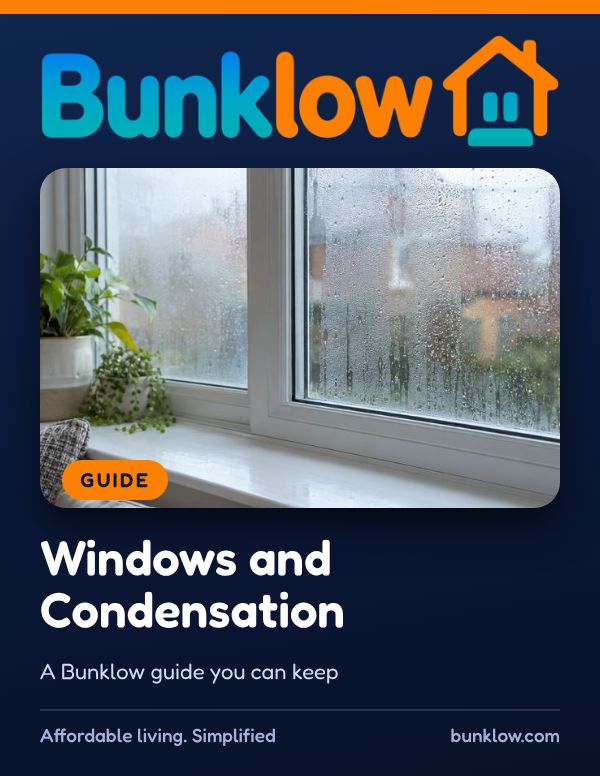
Guide · Home care
Windows and Condensation
A friendly, practical guide to windows, screens, tracks, blinds and locks, and what a little fog on the glass is trying to tell you.
Where to start
- Water on the glass?
Wipe it up, then look at the source. See what condensation can tell you.
- Glass cracked or broken?
Keep everyone back first. See if glass cracks or breaks.
- Doing a window check?
Tick through the windows checklist.
The short version
Windows bring light, air and a way out in an emergency. A little everyday care keeps them opening smoothly, locking securely and staying dry.
Condensation on the inside of the glass usually means indoor air is too moist. Wipe it up, run exhaust fans, and keep indoor humidity generally around 30 to 50 percent.
Vacuum tracks, keep drain holes clear, clean glass gently, and choose cordless blinds or keep cords out of reach of children.
Screens are not strong enough to stop a fall, so keep furniture away from windows. If glass breaks, keep everyone back, clean up carefully and share photos right away.
Rules about windows and safety differ from place to place, so we’d gently encourage a quick look at your local rules. If you ever have questions, we would love to help.
Four simple rules
- 1Condensation is a message
Water on the inside of the glass usually means the air indoors is holding too much moisture. Wipe it up and look for the source.
- 2Keep tracks and weep holes clear
Clean tracks let windows slide easily and let rainwater drain back outside where it belongs.
- 3Screens keep bugs out, not people in
A screen is not strong enough to stop a fall. Please keep furniture away from windows and keep an eye on little ones.
- 4Share broken glass or locks right away
A cracked pane or a lock that won’t catch is a safety and security concern, and it is always worth sharing quickly.
Windows and condensation checklist
From the guide’s own checklist. Tick each one as you go. Your ticks stay on this device. These are examples; your home may need others.
All done. Dry glass, clear tracks and working locks.
What condensation can tell you
- A little fog on cold mornings is common. Water that runs down the glass and pools on the sill every day usually points to moist indoor air meeting a cold surface.
- To cut condensation: reduce the humidity, increase air movement by opening doors or windows when practical, and use fans as needed.
- Keep indoor humidity below 60 percent, ideally between 30 and 50 percent. A small humidity gauge takes the guesswork out.
- Dry wet areas quickly, within 24 to 48 hours, to help prevent mold.
- Fog between panes is different. It is worth sharing so the window can be looked at.
When something is wrong with a window, take one photo of the whole window and one close up of the problem. Two photos explain more than a long message.
If glass cracks or breaks right now
- Take a breath. Keep everyone, especially children and pets, away from the broken glass.
- Put on sturdy shoes and gloves before going near it, and pick up larger pieces carefully.
- Gently sweep or vacuum small pieces, then press tape or a damp paper towel over the area to catch tiny slivers.
- If the opening is exposed, cover it from the inside with plastic sheeting or cardboard and tape to keep weather out.
- If someone is cut, care for them first, and call a doctor or 911 if the cut is deep or won’t stop bleeding.
- Take photos, call the owner right away, and follow up in writing.
You did exactly the right thing.
Guides that go well with this one
How much do you remember?
4 quick questions from this guide, with a one line why for each. Totally optional, no sign in, and your answers are never saved.
Go deeper with The Perfect Efficient Home
A plain, honest guide for residents and owners who want to waste less energy and water and keep bills easier to live with, without giving up comfort.
Keep the full guide handy
The PDF has everything: everyday habits, what to do when something goes wrong, common myths, helpful resources and plenty of real-world tips. Print it, save it or share it with anyone who could use it.
Download the PDFTake it with you
- Bunklow Home Guide 072: Window Sill Wood Casing Condensation Prevention and Paint EnamelingA printable Bunklow guide to window sill wood casing condensation prevention and paint enameling: plain steps, how often to check, and when to call a pro.See it in the shop
More guides



This guide shares general information to help you, and is not legal or safety-code advice. Bunklow does not inspect properties or decide deposits.