

Guide · Renting and leases
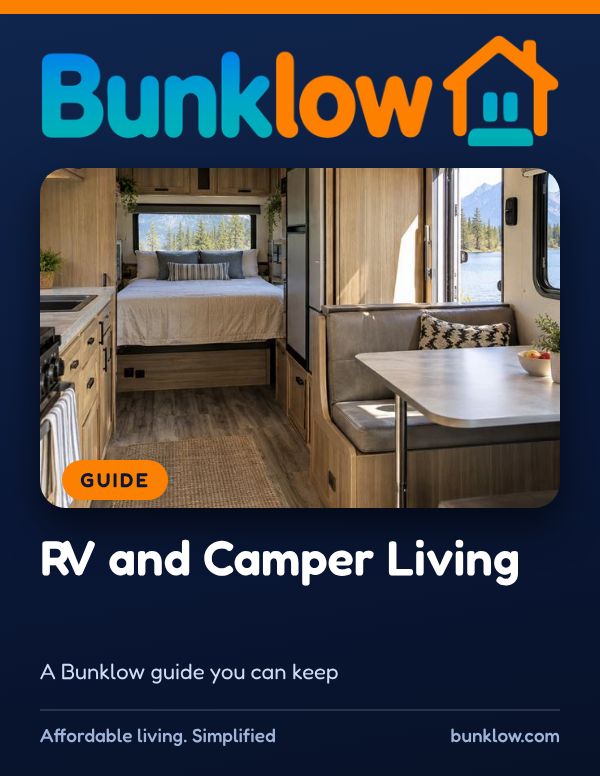
RV and Camper Living
A friendly, practical guide to living safely and comfortably in an RV or camper, from water and power to winter, moisture and propane.
Where to start
- Smell propane or an alarm sounding?
Get everyone and every pet outside now. See if you smell propane or CO sounds.
- First night in the RV?
Work through the RV safety checklist.
- Freezing weather coming?
The short version
Living in an RV or camper can be wonderful, and it works best when you know your systems: water, power, propane and moisture.
Keep working smoke, carbon monoxide and propane alarms, test them often, and never use the stove or oven for heat.
Use a drinking-water hose, a pressure regulator and a surge protector, and don’t run more power than the RV is rated for.
Vent daily to keep condensation and mold away, and plan ahead for freezing weather with heated hoses, skirting or winterizing.
Rules for RV living differ from place to place, so we’d gently encourage a quick look at your local rules. If you ever have questions, we would love to help.
Four simple rules
- 1Trust your alarms
Test the smoke, CO and propane alarms regularly. If one sounds, get everyone outside first, then figure out why.
- 2Never heat with the stove
Cooking appliances are not heaters. Use heaters made for indoor use, with clearance and fresh air.
- 3Know your power limit
An RV can only safely draw so much power at once. Learn your amp rating and don’t run too much at the same time.
- 4Fight moisture every day
Cooking, showers and breathing add moisture fast. Venting daily keeps condensation and mold away.
RV safety checklist
From the guide’s own checklist. Tick each one as you go. Your ticks stay on this device. These are examples; your home may need others.
All done. Your RV is set up to be safe, dry and cozy.
If you smell propane or CO sounds
- Get everyone and every pet outside to fresh air right away.
- Don’t touch light switches, start the engine or use anything that could spark while leaving.
- If it is safe to reach from outside, turn off the propane at the tank.
- Call 911 or your propane supplier from a safe distance. If anyone feels dizzy, sick or confused, call 911 right away.
- Stay outside until a qualified professional says it is safe to go back in.
- Have the propane system and appliances checked by a qualified technician before using them again.
Propane is heavier than air, so propane alarms sit low near the floor. Keep that area clear.
Seasonal care and checkups
- Inspect roof seals and caulking regularly. Small leaks cause big damage.
- Before freezing weather, protect pipes with heat tape, a heated hose and skirting, or fully winterize the RV.
- Have the propane system and furnace checked each year by a qualified technician.
- Soft floors, stains or musty smells often mean a hidden leak. Share them quickly.
- Replace any power cord or plug that looks burned or damaged.
These are examples. Follow the manufacturer’s schedule for your RV.
Guides that go well with this one
Like it on paper?
The printable checklist for this guide is fillable, with a screen version and an ink saver print version. Keep it on your phone or pin it to the fridge.
How much do you remember?
4 quick questions from this guide, with a one line why for each. Totally optional, no sign in, and your answers are never saved.
Go deeper with The Perfect Seasonal Home Care Checklist Workbook
Simple, step by step checklists you can write in, one topic at a time, to help any home stay warm, safe and dry through every season.
Keep the full guide handy
The PDF has everything: everyday habits, what to do when something goes wrong, common myths, helpful resources and plenty of real-world tips. Print it, save it or share it with anyone who could use it.
Download the PDFMore guides
This guide shares general information to help you, and is not legal, medical or safety-code advice. Bunklow does not inspect properties or decide deposits.